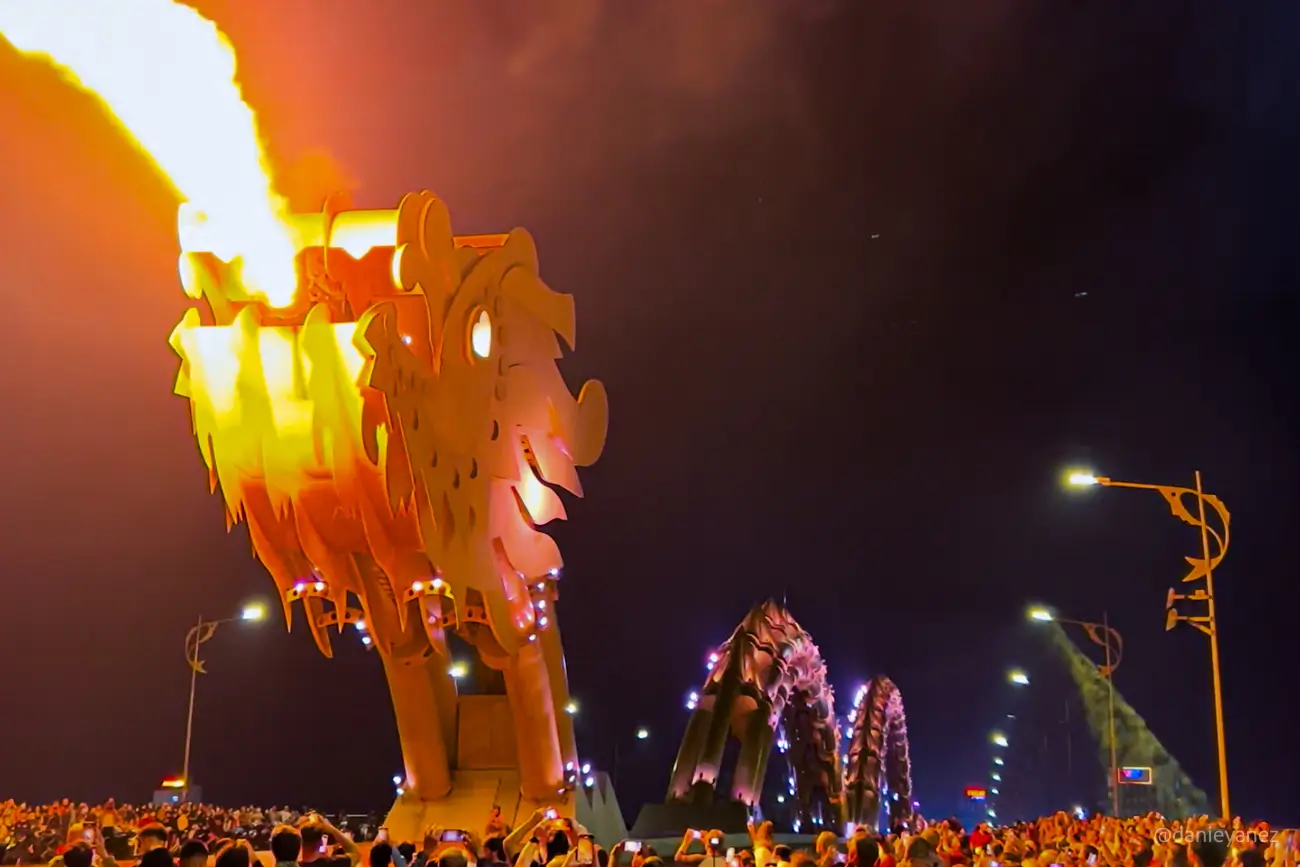

What is slow travel, really? How is it different from being a digital nomad and how can I achieve this lifestyle? Illustrated with photos I took in Morocco, the country where I learned to take my time and explore the culture at a deeper level.
What is Slow Travel (or to be a Slowmad)?
To me, slow travel is sort of an act of rebellion against mass tourism and the typical travel hustle and bustle. It begins when you allow yourself to become a small and temporary part of the place you’re visiting. You arrive as a stranger, but little by little your steps and your surroundings become familiar. It’s all about taking your time, and TRULY living in the places you visit rather than rushing through them.
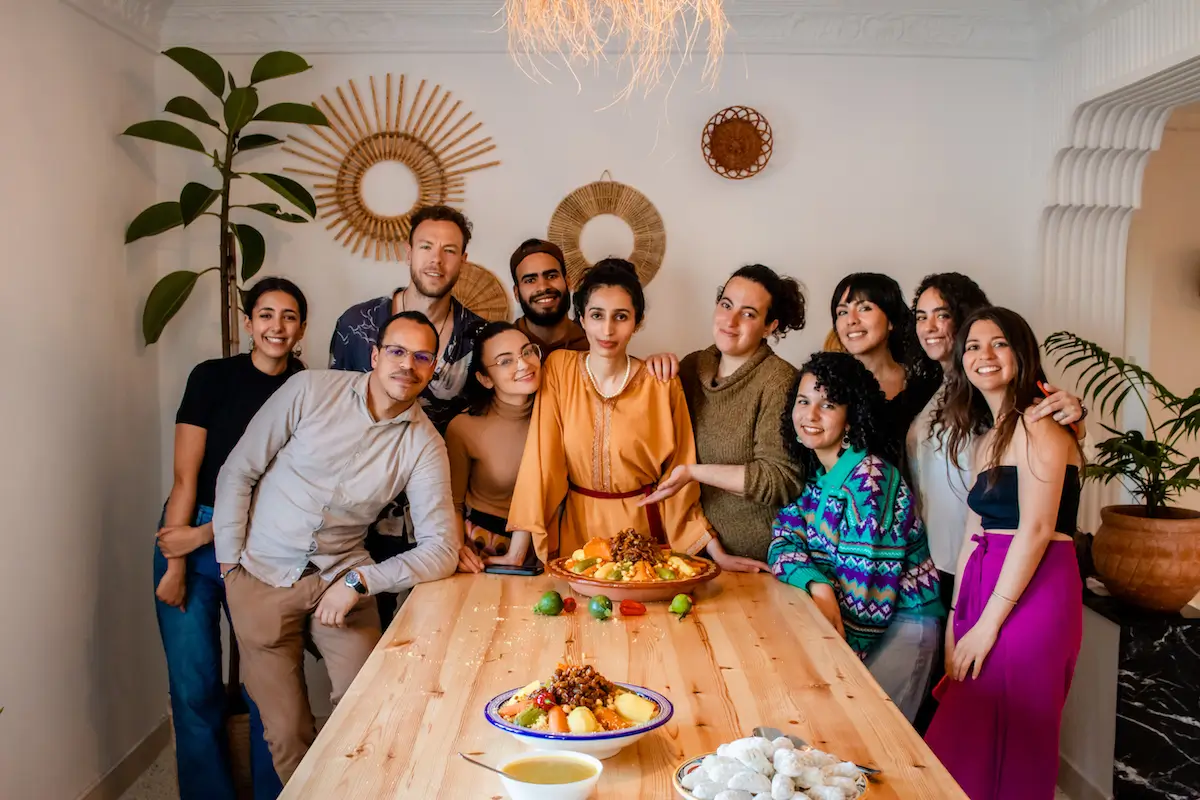
I like to think of it as when travel becomes the art of being still enough to allow yourself to be transformed rather than a series of quick conquests and checklists. It looks like making couscous with a local friend, and dancing to the rhythm of their drums while they sing in a language you don’t understand; allowing them to paint your face with the colors and shapes of their tribes, or having the privilege of temporarily wearing their traditional clothes (and being embraced by them for it.) It’s sharing your own culture with them and get surprised by the similarities while admiring the differences. That’s what it was for me.
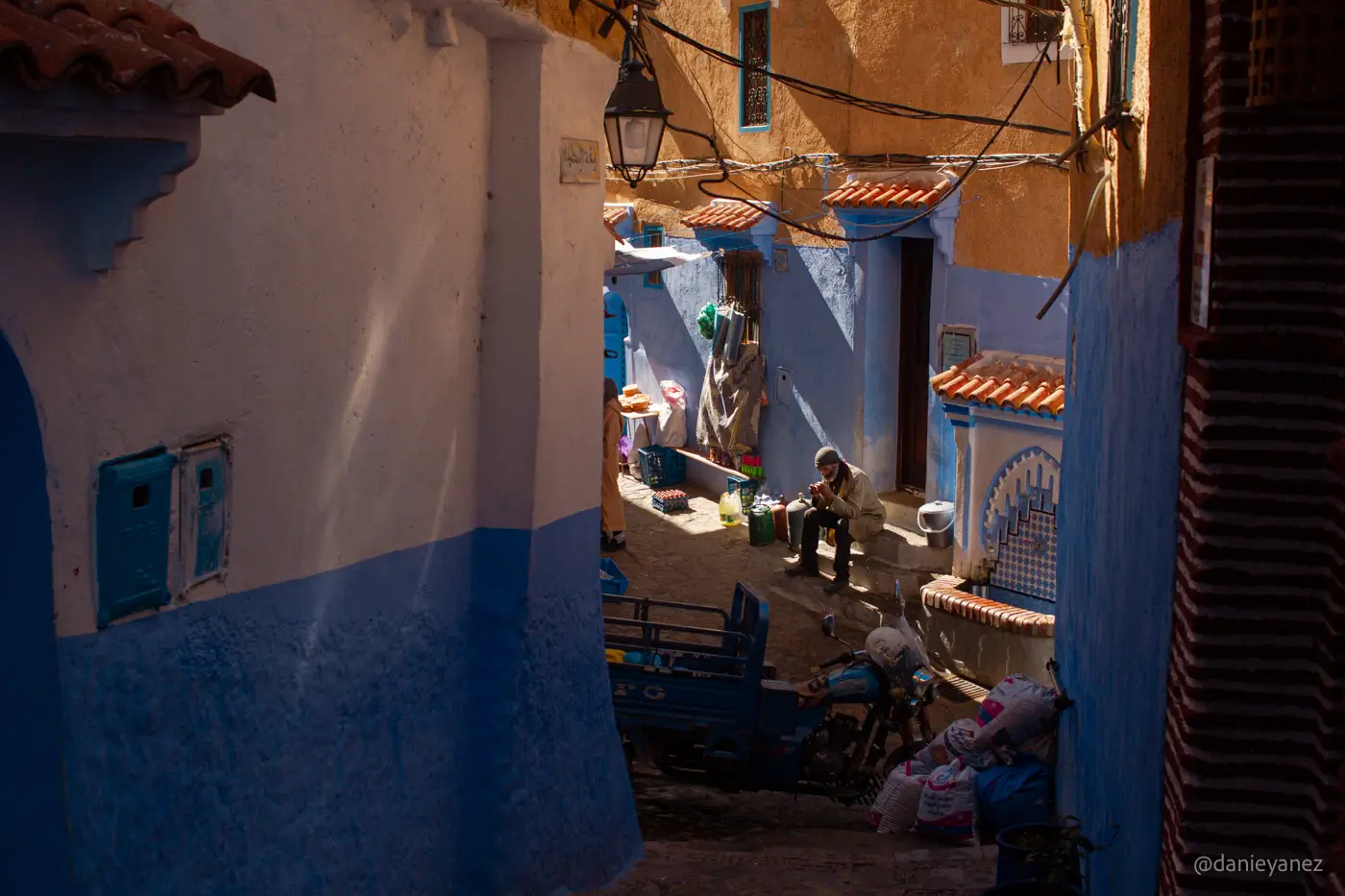
I learned the beauty of slow travel in Morocco. Windling medinas, endless cups of mint tea, and loooong conversations with locals made me realize I didn’t just want to see a place, I wanted to connect with it, to learn all I could about it, and to feel it deep in my heart. I swear, because of this, Morocco changed my life. I left not with a checklist completed, but with a book of stories I will hold on to forever.
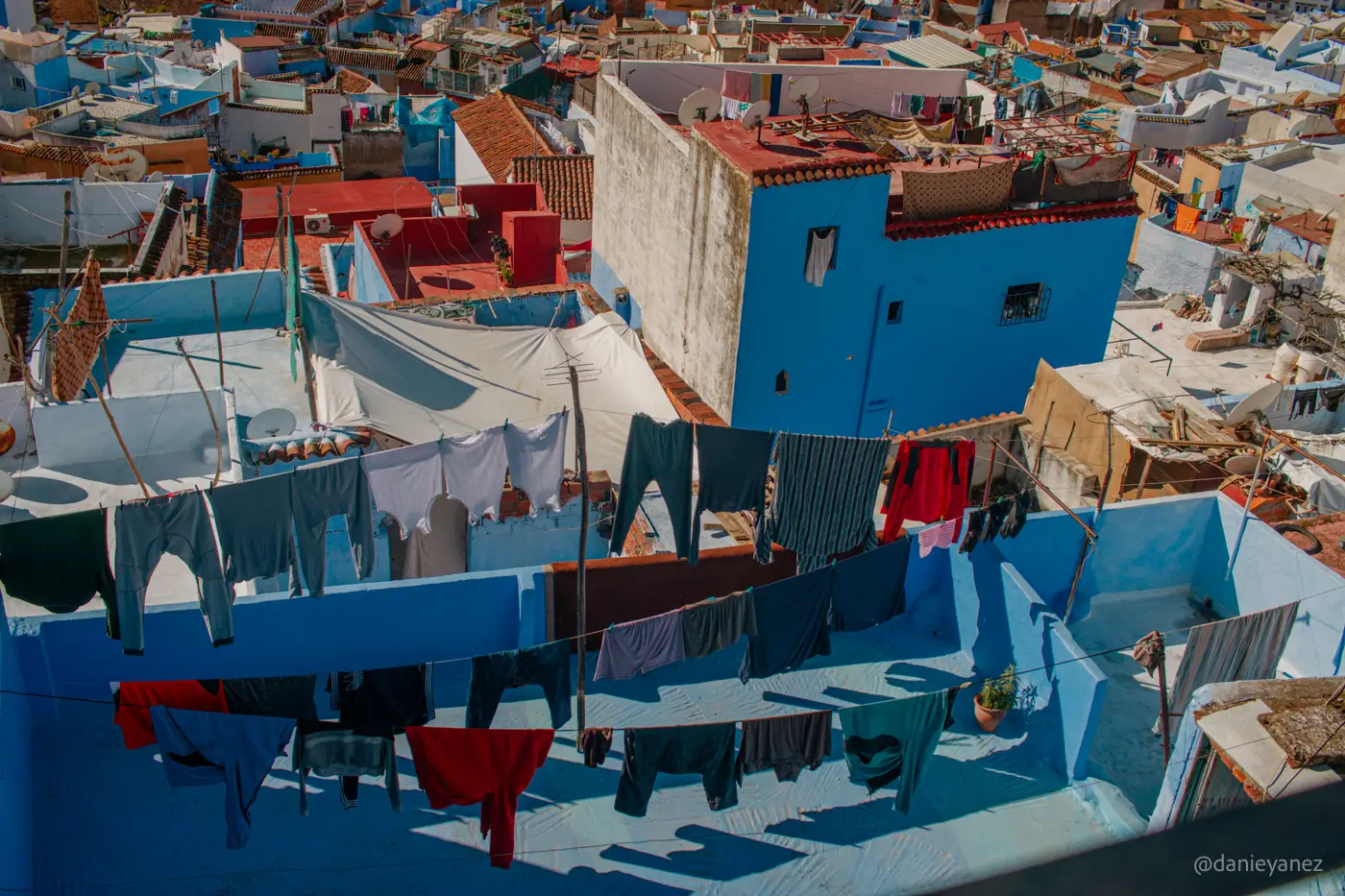
Why I chose slow travel over constant movement.
When I first started traveling, my style was more aligned with a backpacker’s. I moved like a restless wind through cities staying no more than two or three nights before chasing the next “shiny-spot”.
When travel became a blur
Each morning started a race through monuments, trails, museums, sunsets and events. I’d spend my afternoons chasing whatever local dish was trending in my guidebook and would fill the day with maps and snacks and the illusion of checking items off my never ending to-do list.
After several months of frantic-movement and hostal-hopping around Europe without a clear plan, — sleeping in hostel bunks, cramming onto buses, and constantly unpacking and repacking — I reached a breaking point. While it was one of the most intense and exhilarating experiences of my life, it was definitely not a sustainable long-term lifestyle.
The memories blurred into a slideshow of a thousand European churches and my best stories only featured fancy statues and famous paintings. It was all about the places, not so much about the people (with the on and off exception of the random “best friend for a day” express relationship only findable in hostels, of course.) I realized I wasn’t experiencing the world, I was just skimming across its surface.
From backpacker to slow travel
So I slowed down. I transitioned through different travel styles: from a plan-less backpacker to volunteering, to nomading, to slow traveling. Then, I started going to the same coffee shop every morning and recognizing the faces of the people in the neighborhood that would walk to work crossing the same street, at the same time everyday. Also, I learned bits of the language and discovered that the best “attractions” weren’t always in a hot-spot travel list, they were in everyday life.
That shift led me to know slow travel was the best fit for me. In general, I began to desire a life that wasn’t just about ticking places off a list, but about immersing myself in a new culture; making local friends and learning about their traditions, culture, cuisine, and daily rhythms became my focus. I adapted my way of traveling to be more engaged, responsible, and conscious. That’s how I discovered the term “slowmad.”
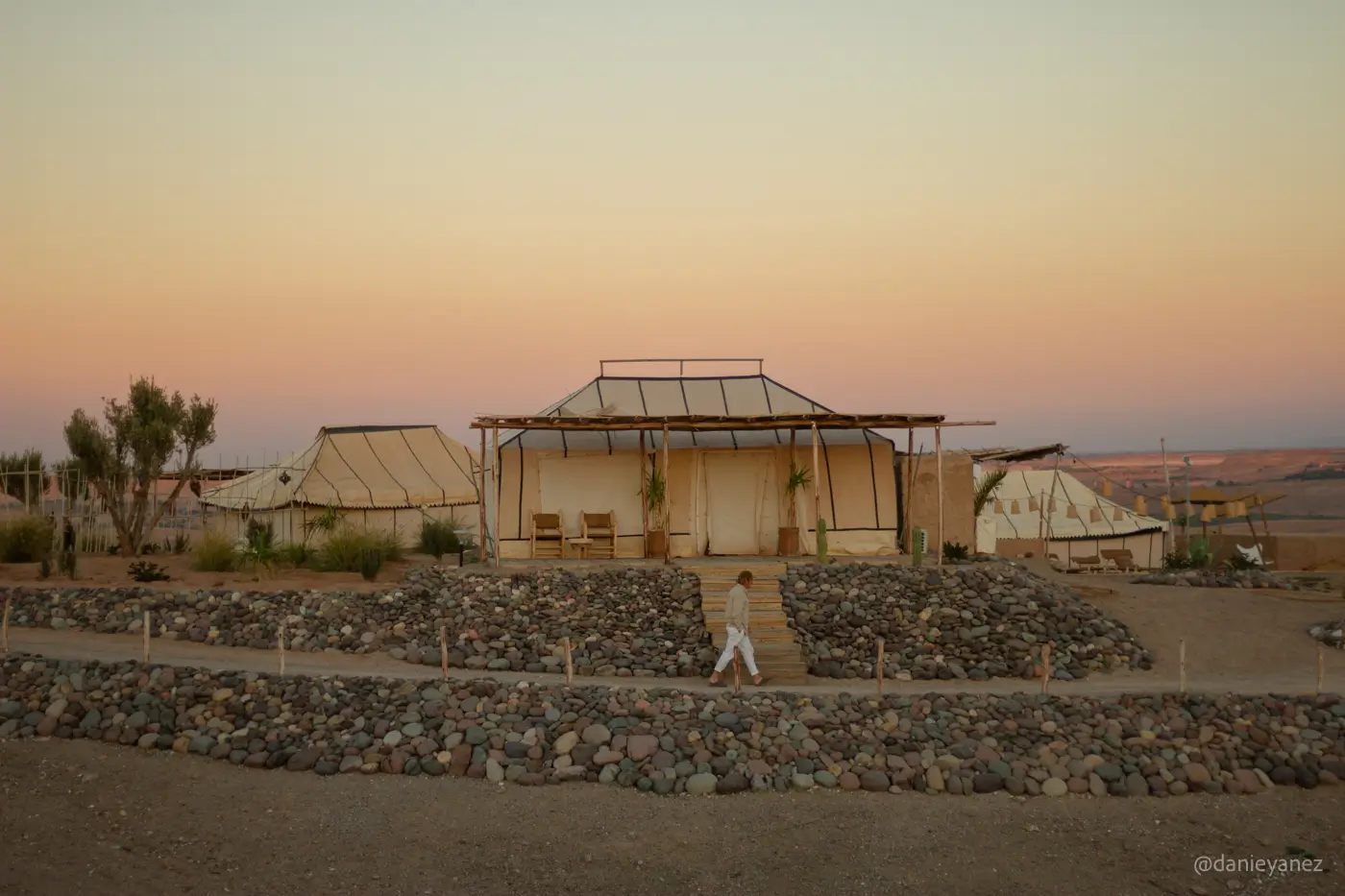
What is a Slowmad, exactly?
In essence, a slowmad is a digital nomad who takes their time in order to achieve a deeper connection with the culture of the place they are visiting. Instead of country-hopping every few weeks, we “slow travel”, we linger sometimes for months. We work online, yes, but we also take the time to understand the culture, the food, the language (or bits of the language), and the quirks of the place we live in (for the time being.)
What is a Digital Nomad?
A digital nomad is someone with geographic independence that travels around the world and produces their income from a job or a business conducted online. Without the obligation to be in a physical office, a digital nomad can freely move and travel to any city, state, or country while still earning an income.
Digital nomads often have a “longer-term” tourist lifestyle. When not working, they spend their time sightseeing and vacationing, often joining groups of other digital nomads and exploring the area before moving on to the next. If you’re curious about it, check out this article I wrote titled “reasons to not be a digital nomad” where I explore the struggles of this lifestyle.
Slow travel flips that script. Instead of trying to see everything, you savor the thing you’re seeing. And for me, that makes a huge difference.
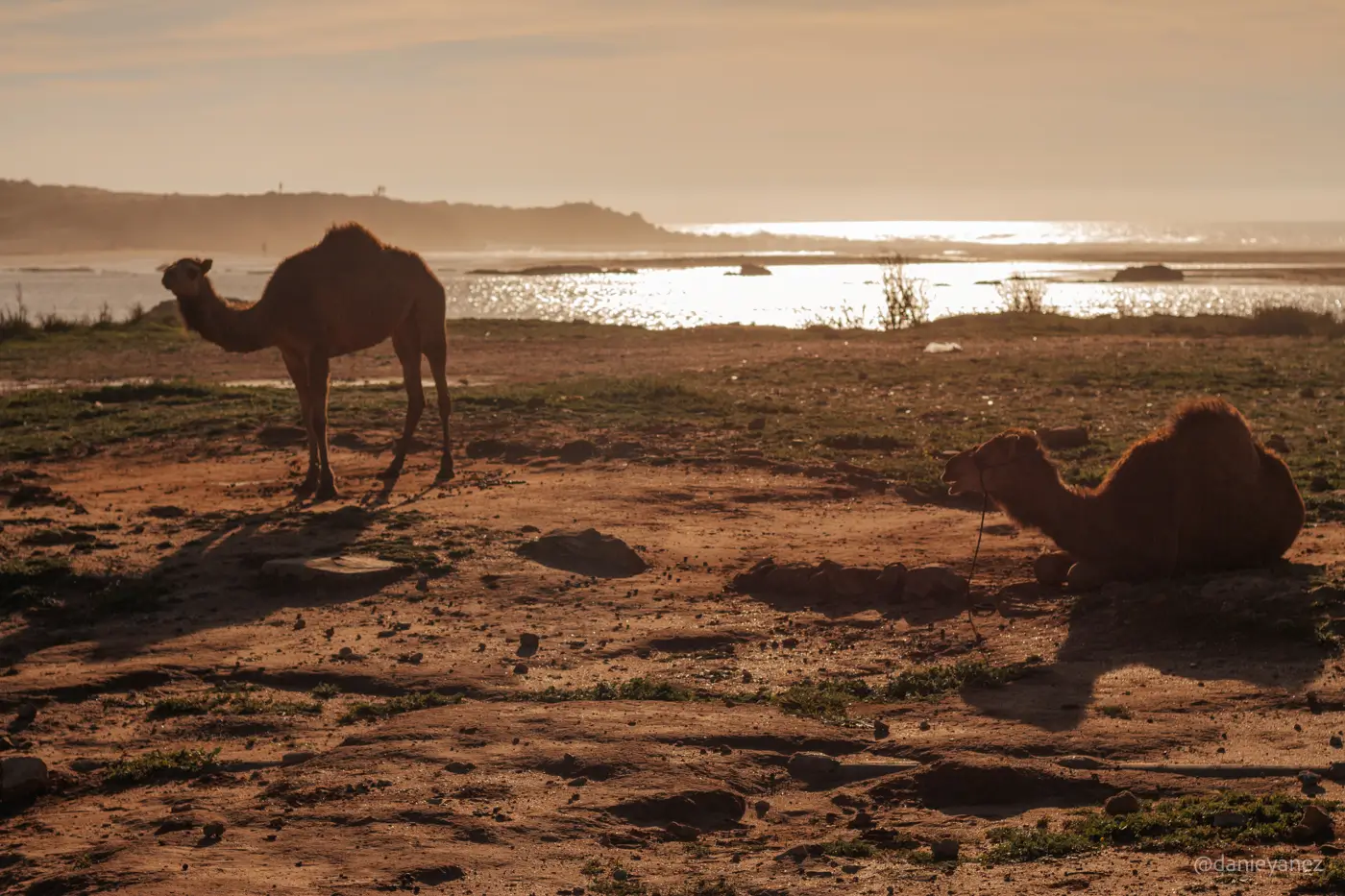
Characteristics of Slow Travel: Living not just visiting.
Slow travel is the opposite of crossing borders and counting countries. I see it as crossing cultural barriers and dancing to the rhythm of a place; It’s for those who’d rather sip Moroccan mint tea in the same café every morning and being received with a smile by the local owner that’s serving thousands of tourists a day, but is glad to see your face again.
A home away from home
Instead of passing by, stay long enough to lean the smell of the markets, the sound of the local greetings, and the way the light hits the street at different times. I define it as establishing a temporary sense of belonging. This, for me, translates into renting an apartment and staying for several months in a particular town or city, learning the local language, cooking local food, interacting with the community, and making local friends.
Supporting the local economy
One of the core principles of slow travel is to leave a positive footprint, to integrate into local communities more authentically and respectfully. To do so, choose locally owned accommodations over hotel chains when possible, eat where the locals eat and make an effort so you’re directly benefiting residents and helping preserve the area’s cultural identity and traditions instead of contributing to dilute them for mass tourism.
Connection with the environment
Slow travel is about noticing the details (a child playing in an alley, the stillness before the call to prayer echoes through the city, the smell of fresh bread from the bakery around the corner.) By traveling slowly, you naturally consume less, produce less waste and move more mindfully. Find beauty in routine and stillness as well as discovering a new culture and learning different ways of life.
Cultural awareness and respect
When you stay longer, you have time to understand the “why’s”. You learn when to greet someone with a handshake or a kiss, what colors carry symbolic meaning, and why certain dishes are served only at a specific time of the year. I learned that during ramadan, in Morocco, they break their fasting with a date (which by the way are the best dates I have had in my life!)
Slow travel (slowmad) vs. the usual nomad pace
Generally, digital nomads travel faster, switching cities or countries more frequently. They engage less with the local community and live more like tourists at their destinations.
Slowmads or slow travelers explore the world with a different perspective. Forget the photo of a piña colada with a laptop by the sea. A slowmad stays in one place for at least 2 to 6 months. They engage with the local community and travel more responsibly, considering the impact of their presence on the destination.
How to embrace slow travel
Becoming a slowmad or a slow traveler isn’t just about booking longer stays, it’s about rewiring how you think about travel. It’s easy to picture yourself sipping coffee on a balcony overlooking a Moroccan souk for months, but living it is another story. The real magic comes when you accept that you won’t see everything and that’s okay.
What you’ll need for slow travel: the intangible
Mindset shift
This has been the hardest part for me. Once you’re in a new country, the temptation to hop on every train, bus, and cheap flight is real. But slow travel starts with resisting the urge to “collect” cities like souvenirs and accepting that travel isn’t about ticking off a wish list but about cultivating meaningful experiences. It’s not a race to collect passport stamps but an opportunity for self-discovery, cultural exchange, and connection with the world.
Choosing the right destination
One of my best friends moved to a not very well known city in a country across the world. She ignored recommendations to move to the capital or to the bigger, more famous cities. “Just because someone likes and recommends these cities it doesn’t mean it’s the best for me. I prefer a small place near the coast” she told me.
Where you choose to stay can make or break your slow travel experience. Choosing the right place is crucial so pick locations that resonate with your interests. Consider factors like:
- Lifestyle fit: Do you prefer bustling markets or peaceful countryside?
- Language & culture: Are you excited to learn the basics, or would you rather stick somewhere familiar?
- Accessibility: How easy is it to get around without a car?
- Food scene: Can you cook at home with local ingredients you’ll love?
- Cost of living: Will your budget allow you to stay longer without stress?
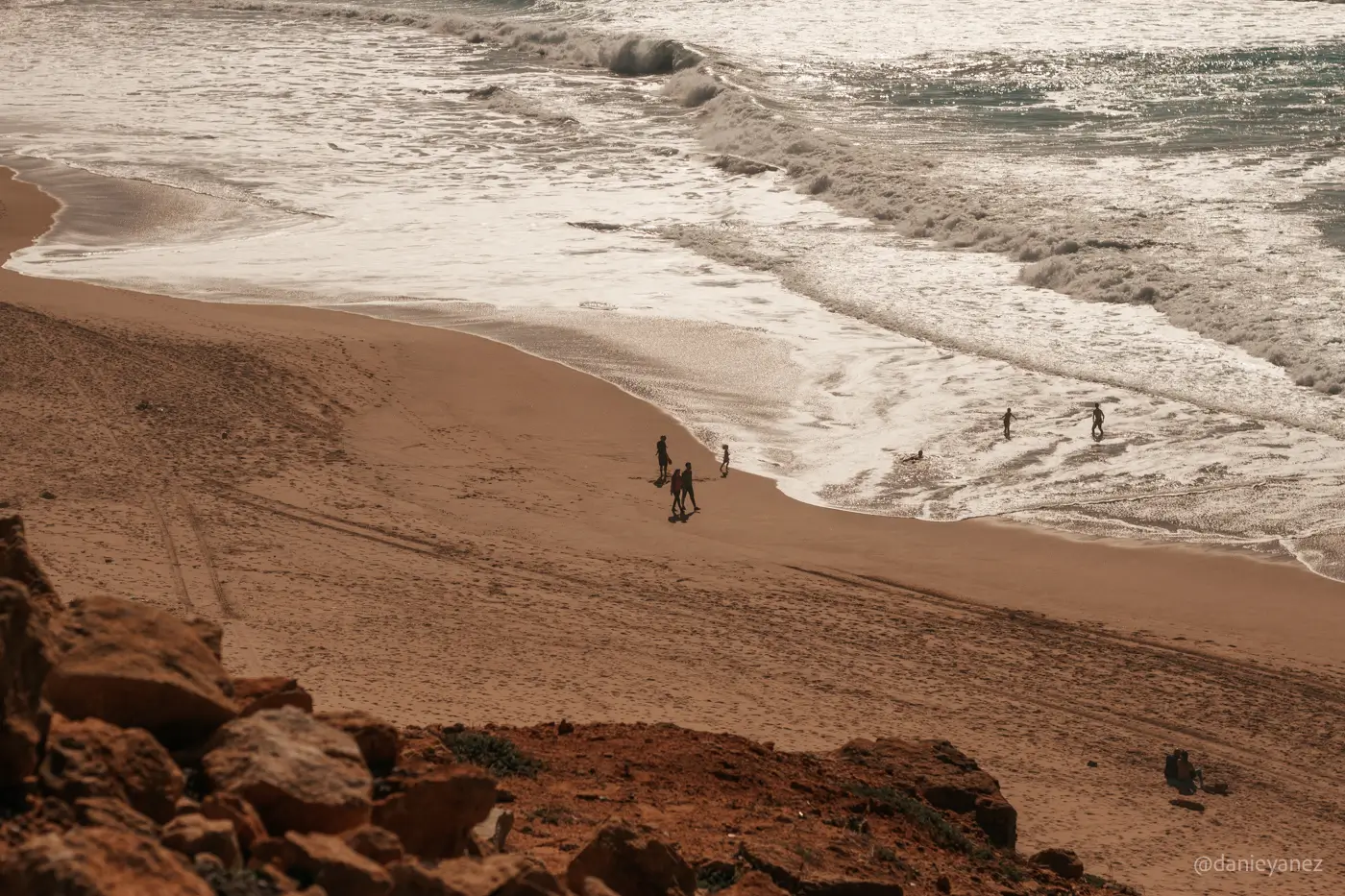
For me, Morocco was a slow travel dream: affordable, culturally rich, and full of warm, welcoming people. I could spend an afternoon getting lost in a medina, then the next day linger for hours in a tea shop with an ocean view watching the rhythm of life go by.
To Integrate into the local culture
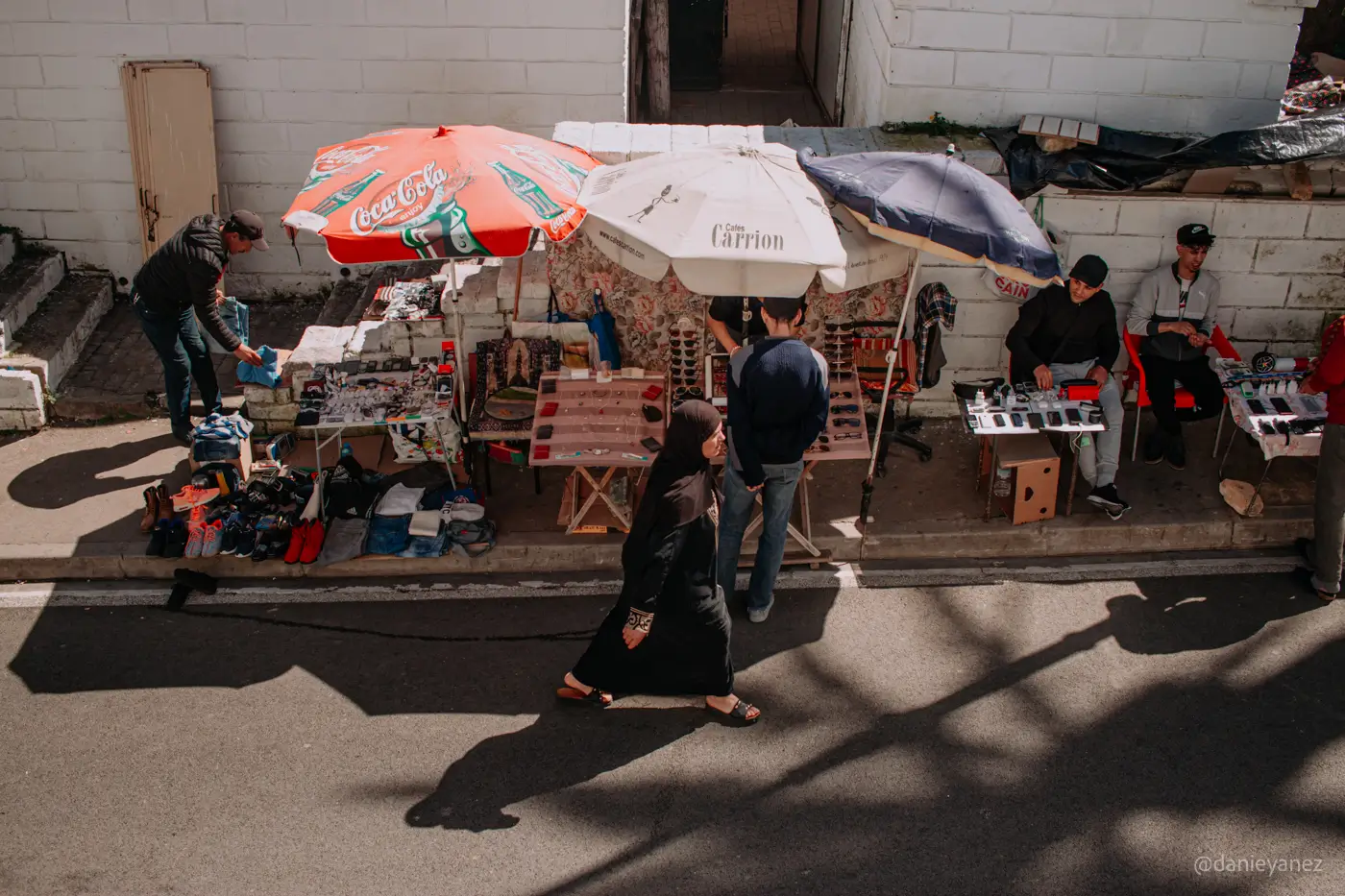
Stop being an observer and become a participant in daily life. Say hi to your neighbors, join community events, participate in workshops, learn about the local lifestyle, traditions and beliefs, wander through the markets (not just to shop but to catch on the rythm of the day and listen to the sounds of the place you’re in. I swear no matter how calm or chaotic it is, you’ll miss it one day and those memories will become treasures).
Practical ways to integrate:
- Take a local language class or join a conversation exchange (often locals seek these events to practice English with foreigners.)
- Sign up for a cooking workshop and learn to make regional dishes.
- Attend neighborhood festivals, even the small ones.
- Spend mornings at the same café or bakery until they know your order.
The more you participate, the more you see layers of the culture that fast travel will never reveal. And here’s the best part: you start to feel a sense of home in a place that once felt foreign.
The tangible essentials for a slow travel lifestyle
Slow travel isn’t only about mindset, it’s also about having the right logistics in place so you can live comfortably and confidently wherever you choose to stay. Here’s how to get set up for the long run.
Visas and requirements
Before you fall in love with a country through instagram photos check how long you can legally stay there. Many destinations now offer digital nomad visas, allowing you to work remotely while living there for several months (sometimes even years.)
The process and requirements vary greatly by destination (some require proof of income, savings, a stable remote job, or health insurance) so ensure you apply for the correct visa and have the necessary financial resources. Avoid surprises by having your paperwork sorted before you book that one-way ticket.
Travel Insurance that works for you
Do not skip this. For long-term travel, choose insurance that covers not only medical emergencies but also other travel-related potential issues like lost gear, trip interruptions, lost luggage, etc. I recommend that you look for an insurance designed specifically for digital nomads and slow travelers. Peace of mind is worth the monthly premium.
I will not recommend one because I haven’t had an issue that required me to file an insurance claim and had a good experience with it so I’m still in the lookout for the right one for me. What I can say though is that I used safety wing, and I cannot recommend it anymore due to a negative experience I had. But hey, do your research.
Accommodation
For slow travel, skip the week-by-week shuffle. Instead, look for a furnished apartment or guesthouse you can rent monthly, it’s usually cheaper and far more comfortable.
How to pick the right neighborhood
Choosing a neighborhood is just as important as choosing the city itself. If you’re staying for a month or more, this choice shapes your daily experience. Here’s my process:
- List your priorities – cafés, markets, gyms, parks, nightlife, laundry, or nature access.
- Pin them on Google Maps to see which areas tick most of your boxes.
- Check transport options: note bus stops, metro stations, or bike paths.
- Compare with your budget: You may find that the perfect area is pricier, or that a quieter neighborhood on the outskirts offers better value.
In Morocco, I chose a place on the edge of the medina instead of in the middle of it—quieter nights, more space, and just a short walk to all the bustle. The important thing is that the map helps me make an informed decision.
Securing Remote Work
You’ll most likely need a fully remote job to sustain your slow travel lifestyle. This can mean freelancing, running your own online business, or working for an employer who doesn’t care where you log in from.
I’ve met slow travelers who were everything, from translators and therapists to software engineers and travel writers. The point is, find something that’s aligned with your preferences and skills. I’ll drop some resources at the bottom of this article so you can start your search!
Practical Tips for Starting Slow Travel
If you’re ready to give slow travel a try, here’s how to set yourself up for success:
- Start with a trial month in one destination before committing to a full year of slow travel.
- Use monthly rental platforms like Airbnb (with long-stay discounts), Flatio, or local Facebook housing groups.
- Balance work and exploration (block out work hours so sightseeing doesn’t eat into your productivity or viceversa.)
- Learn basic phrases in the local language, it goes a long way for building connections.
- Budget for downtime! You’ll spend some days doing “nothing,” and that’s okay.
- Stay flexible even with a slower pace, plans can change 🙂
Final thoughts: The world is better when you travel slow
When I think back about Morocco, my most vivid memories aren’t of the famous landmarks. They’re of the people and moments that unfolded when I gave myself the gift of time.
I remember the friends I made (Moroccan locals and travelers from all over the world) sharing experiences together. There were dance reunions fueled by endless rounds of mint tea, and the sacred quiet of experiencing Ramadan firsthand, learning about the culture and religion in a way that reshaped my understanding.
One Moroccan friend teached us to cook couscous from scratch. We sang, danced, and laughed and we all ate from the same platter. Somewhere in the middle of it all, I fell in love and found my travel partner. I can still feel the cool morning air from a sunrise yoga session with a group of people from different backgrounds, while the call to prayer floated in the distance. All of it, woven together, was life at a slow pace, deeply lived.
That’s what slow travel gives you: the chance to not just visit a place, but to be changed by it. Whether you spend a month in a seaside town or a year in a mountain village, slow down enough to walk the same streets until they feel like home.
Because when you slow down, the world opens up in ways you can’t plan or predict. And that’s when the real magic happens.
Resources for Finding Remote Work
Lastly, here are some resources to help you kickstart or expand your remote career:
- We Work Remotely: Large, reliable job board for remote roles.
- FlexJobs: Curated, vetted remote job listings.
- Remote.co: Jobs and resources for remote work beginners and pros.
- Jobspresso: Remote jobs in tech, marketing, and more.
- Working Nomads: Regularly updated remote work opportunities.
- Upwork: Freelance marketplace for all kinds of projects.
I hope this information helps, and if you have any travel-related questions, feel free to contact me on Instagram.