This will probably be the longest packing list for digital nomads you’ve seen. My objective is not to tell you all the things you have to travel with. But to give you ideas so you find what works for you!
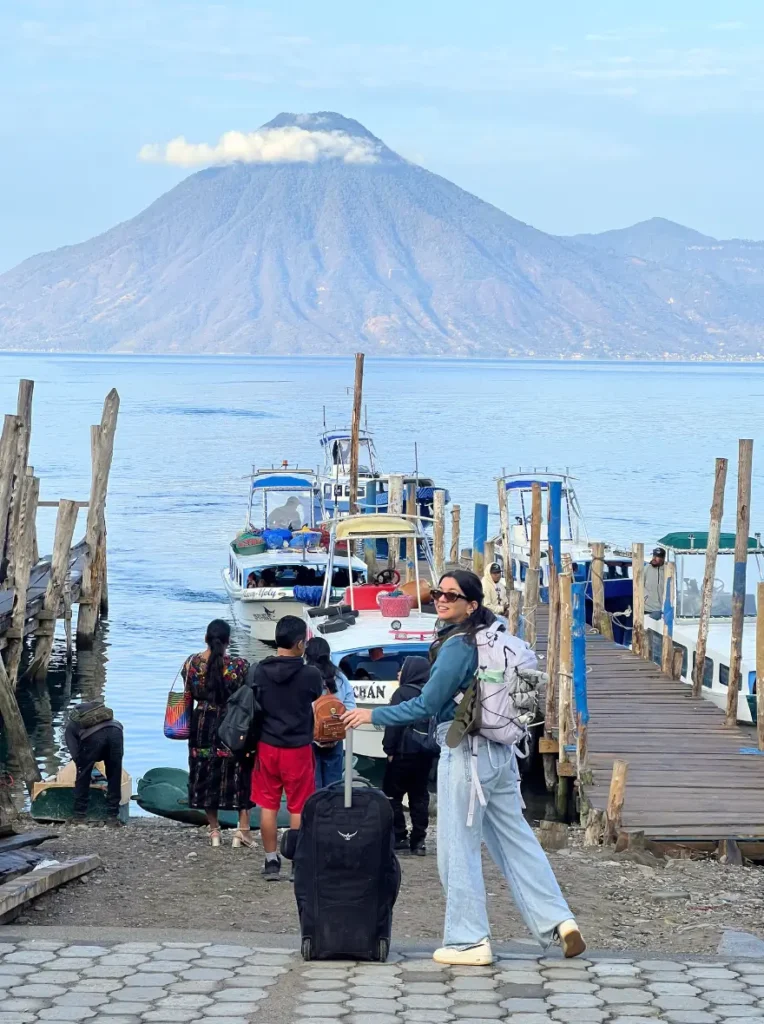
The truth is, when nomading, you often know where you start but it’s hard to know where you’ll end up. Slow travel has a way of taking you somewhere completely different from where you planned. A few weeks ago I was in Flores, Guatemala, sweating through every pore and complaining about the unbearable heat. Now I’m in Cusco, Peru, freezing to my bones. This is why packing can sometimes get tricky.
Hola! I’m Danitza, a nomad and photographer from Mexico who has been slow-traveling the world for over four years. Welcome to my travel blog. Here you’ll find valuable info about the places I’ve visited and stories about my journey toward finding work-life balance while living a nomadic lifestyle.
Before we jump in, one piece of advice for those who won’t read it all: If you fill your suitcase to the top before you leave, you’ve already set yourself up for a bad time.
Over the years, I’ve committed several packing mistakes, and regardless of how many packing vids or checklists you read, you will too.
I slowly learned to detach from unnecessary items while still prioritizing comfort. Meaning there’s stuff that makes my days better and I’ll bring regardless of whether it fits the conventional “this is what you should travel with” standard on your average packing list for digital nomads.
Four years of travel have taught me a few things. Layers solve the cold. Small combinable pieces solve the heat. And packing items “just in case” is a trap – if you need something urgently, buy it at your destination – otherwise you’ll spend months carrying something you never use, growing to resent it, until you finally abandon it in a hostel somewhere and feel both guilty and relieved. Believe me, I know this.
Anyway, this packing list is actually almost everything I’ve traveled with at some point during my four years as a digital nomad. You’ll notice some of it it’s just standard nomad stuff. You’ll also notice I have traveled with a blender. Yes. I’m Mexican, I need my salsas and this is one I actually don’t regret that much lol.
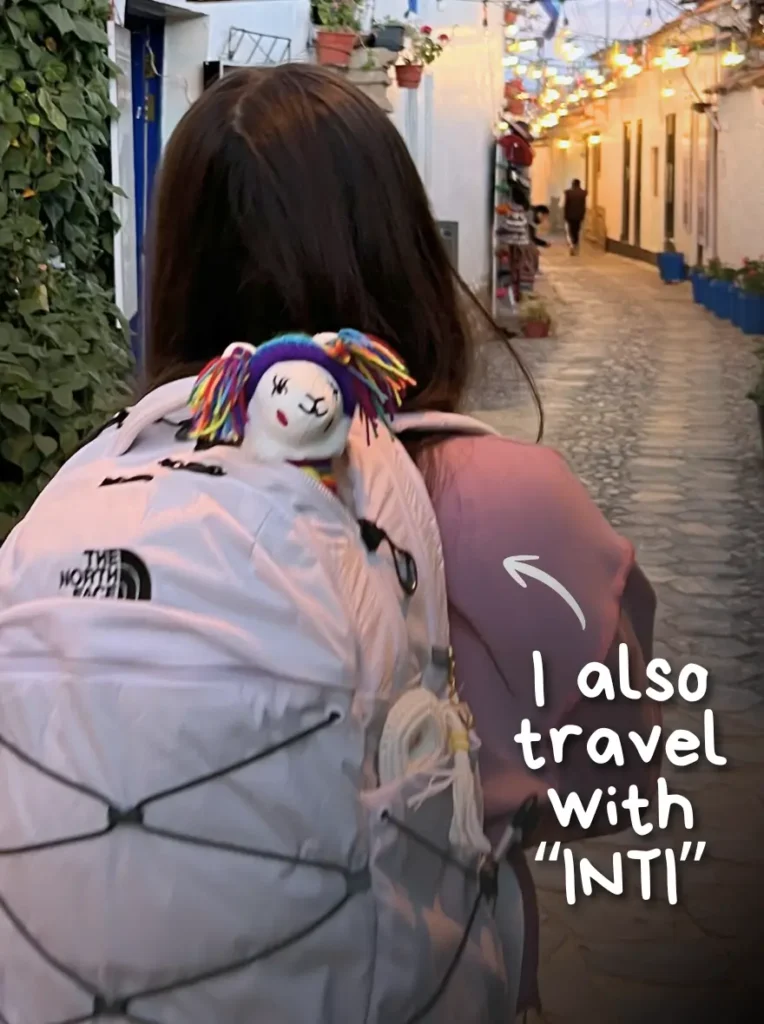
Take what applies to you, skip what doesn’t and remember: the best packing list is the one that fits in your bag without making you cry.
Non-negotiables
These are the basics, the stuff that you should never leave without regardless of where you’re going. You may not use them for a while, and then something goes wrong and you’ll be so glad you have them.
Travel Insurance
Travel Insurance gets the golden star for being the one thing you should not travel without, and most people end up skipping anyway. I’ve done it too. I even traveled WITH insurance and have it give me nothing but a headache when I actually needed it.
What I learned from that experience was not to skip it, but to better research my provider. A quick Reddit search made it pretty clear the insurer I’d been using was far from reliable.
Thankfully my experience was a minor motorbike accident with some road rash. No broken bones or stitches, but that experience was enough to make me switch (if they can’t be reliable with something small, there’s now way I’d trust them with something big). I don’t want to get in trouble by naming the company, but it’s pretty big. One of the main digital nomad insurance names out there.
Anyway, my new research pointed me toward Genki. They offer two different plans depending on your needs, Genki Native if you have no insurance at home, and are looking for a more comprehensive plan or Genki Traveler if you do and just need travel coverage on top. You can quote yours right here:
One important note: regardless of whatever company you choose, if you’re doing adventure activities like volcano hikes, multi-day treks, or anything extreme double check that your plan covers it.
For some companies, standard plans have exclusions and you may need to add adventure coverage specifically. Also, if you’re traveling to the U.S. or Canada you should disclaim it since the policy would be different. This also applies to other companies I’ve researched.
Virtual Private Network (VPN)
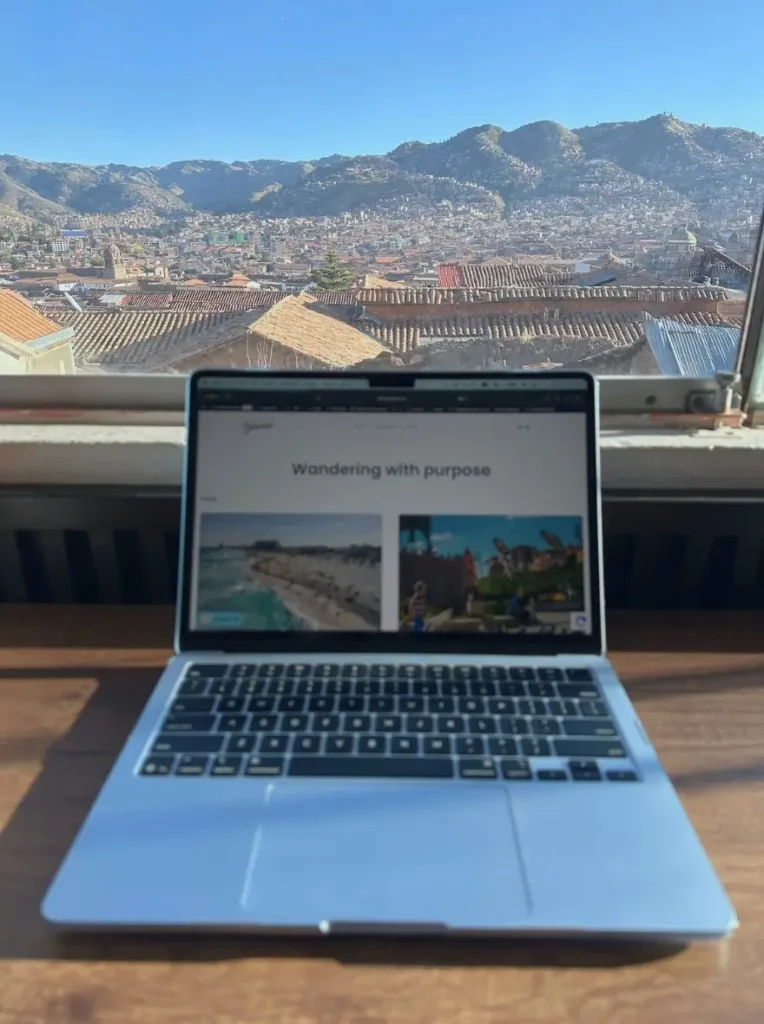
A VPN is especially useful for digital nomads. Connecting to public networks can expose your private information (even a “password-protected private network” that many people have access to, like a café or a hotel).
I had my card details stolen when purchasing online and dealing with that is a pain. Now I just use my VPN whenever on a network I don’t control (always lol)
Additionally, for some reason some Mexican websites (gobernment or investment) only work from a Mexican IP, so if I want to access them while traveling I simply use my VPN. I’d guess many countries have the same issue.
The VPN I use since I started traveling is Surfshark, get a free month with this link.
An extra debit or credit card
I don’t know how many times it has happened to me that in a certain country, they don’t accept a certain card for any reason, and I have to use “the other one.” Or the times when, as I haven’t returned to my country in years, my bank blocks my card for safety, and the process to unblock it takes hours or days. And well, thank God, I’ve never been robbed, but imagine being in another country and running out of money and without a card. Or simply forgetting it in an ATM, or the ATM eating it, and you can’t get it back…
To be safe, at least travel with two accounts that you obviously have access to from your phone, and never put them in the same place. Put one in your bag when you go out and leave the other in your suitcase, or in a safe box, or in a locker if you’re in a hostel, you get the point.
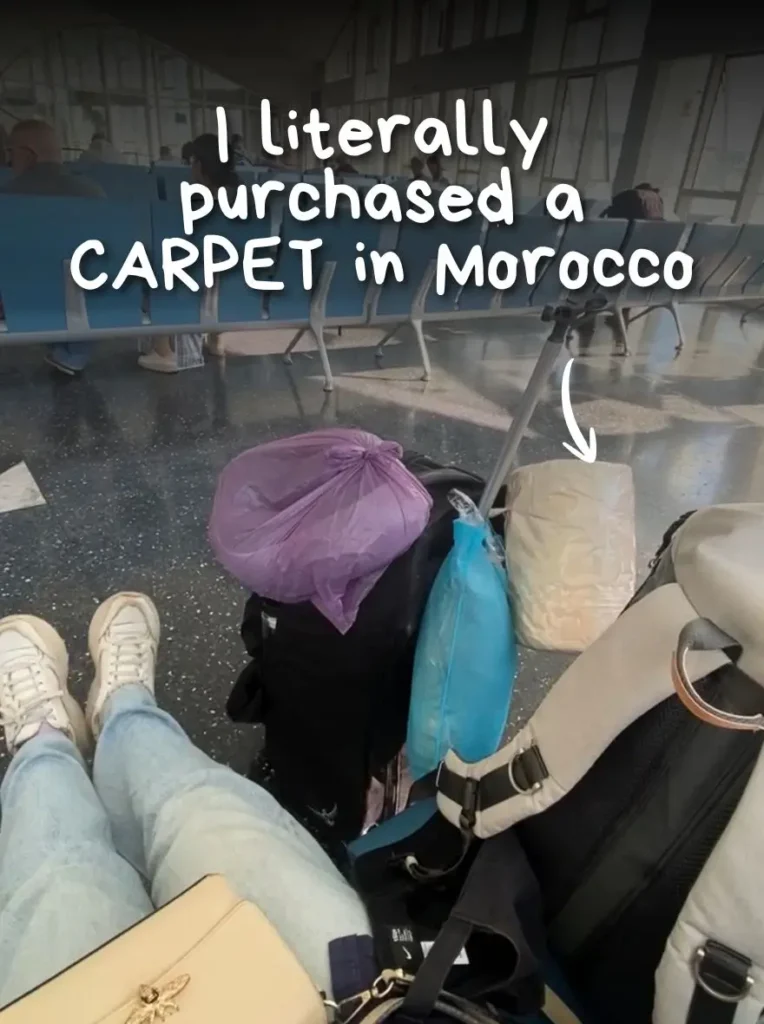
Online backup of your photos
I thought this was an obvious one until I started traveling and met too many people that had lost their phone and their photos with it. The most valuable things I have are my memories. For me, that translates into photos and videos of everything I’ve seen and done over the years. I use iCloud because it not only backs up but also helps me keep my phone memory to a minimum. For Android, Google Photos seems like a very good option. Honestly, I think the expense is minimal compared to how horrible it would be to lose my information if something happens to my phone. At the end of the day, the phone is always replaceable.
Digital document backup
Scan or photograph eevery important document (passport, visa, travel insurance, vax records, driver’s license) and store them in the cloud. If your bag gets stolen, you have access to these from any browser, even if your phone gets lost too. You may want to go as far as saving them in a USB just in case.
Tech & Work Gear
This is the section that varies the most from nomad to nomad. Your setup depends entirely on what you do for work and how much weight you’re willing to carry. Here’s what I found to be a must in this packing list for digital nomads, plus a few things I’ve seen work really well for others.
Laptop
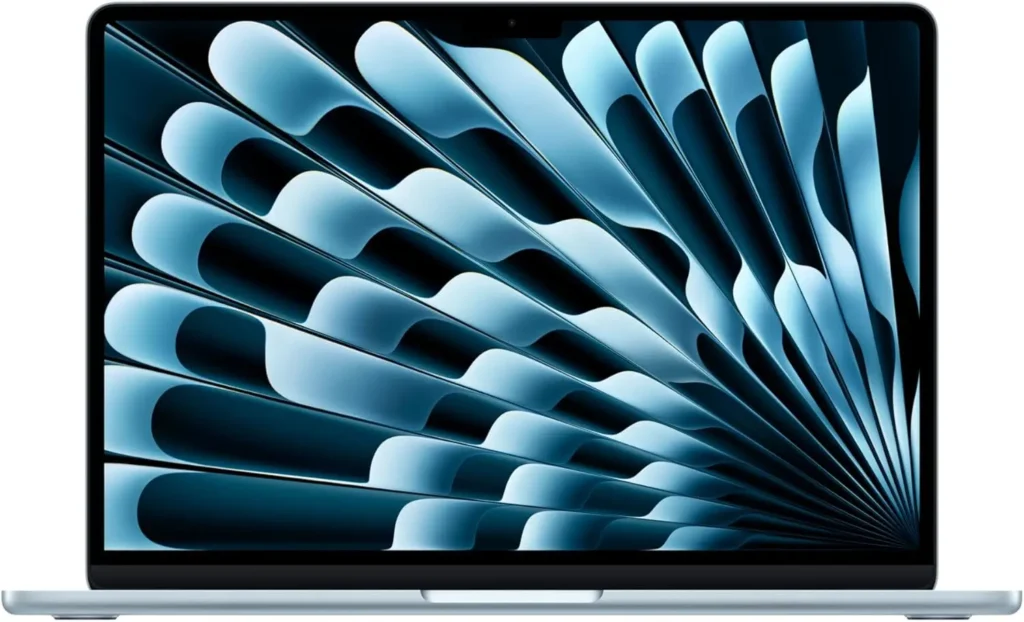
Obviously. The reason I bring this one up is because the laptop you choose can totally make or break your trip. This is literally where you’ll be performing all your work so don’t go cheap on this one.
My main recommendation would be to get one as lightweight as possible. Personally, the 2025 MacBook Air has been more than enough for what I do including photo and video editing, but this may not be applicable for everyone. Whatever you use just make sure it won’t destroy your back.
Laptop sleeve
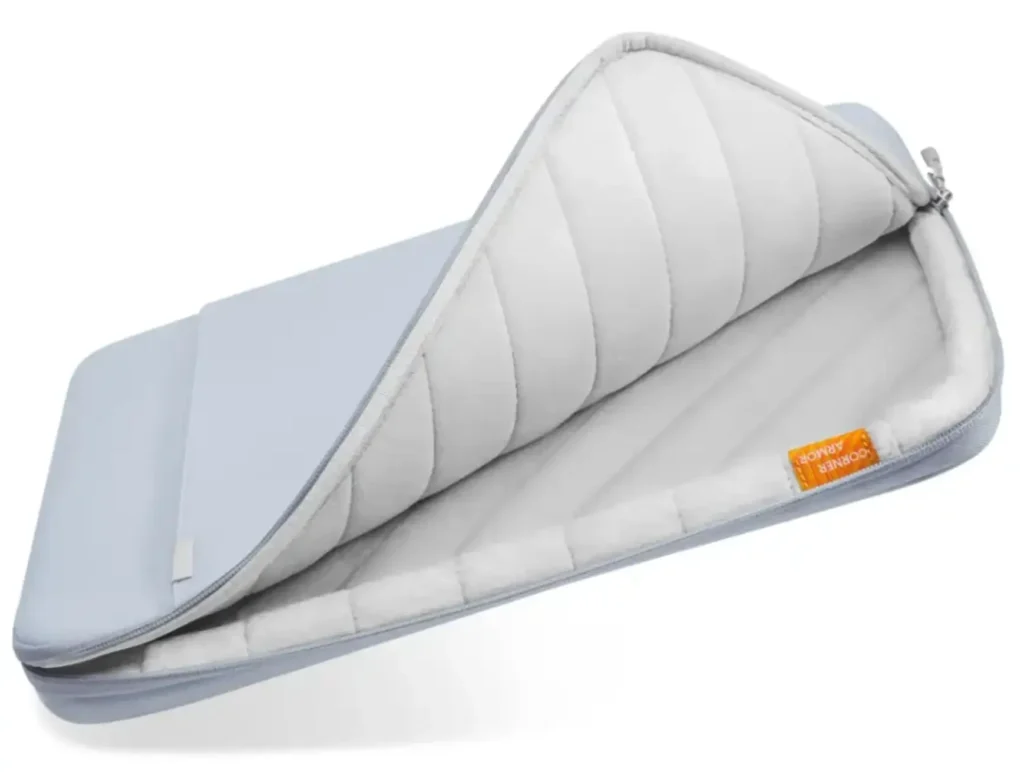
A backpack with a laptop compartment doesn’t feel like enough protection for the most important item you may be traveling with. Backpacks get squeezed into overhead bins or tossed around at airports, etc.
It did happen to me with my previous laptop that the screen broke, and as I was traveling, it was really difficult to find an affordable place to fix it. I won’t let that happen to me again! I have a shockproof laptop sleeve that has padding across all sides and edges. It’s made a real difference and the peace of mind is worth the few extra grams.
Laptop stand
I don’t travel with this personally, it’s too much set up for my style, but my boyfriend brings his entire setup to coffee shops every time. The stand elevates the screen to eye level and helps with posture. The catch is that once you add a stand you need a separate keyboard and mouse, so it becomes a whole system. If you work long hours it’s worth considering. If you’re more casual you can totally skip this.
Earbuds with noise cancellation
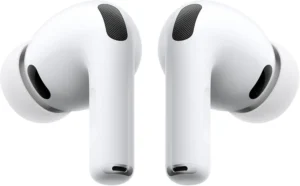
A must for working in cafés, coworking spaces, and surviving long flights. I use JBL Tune Buds with solid noise cancellation, good sound quality, and a fraction of the price of AirPods.
I did gift my boyfriend the latest AirPods Pro for his birthday and honestly the noise cancellation is in a different league (but so is the price). If budget isn’t a concern, AirPods Pro are worth it. If it is, a good pair of JBL will serve you well.
P.S. I don’t use headphones because I break them and I think they’re too bulky to travel with.
Power bank
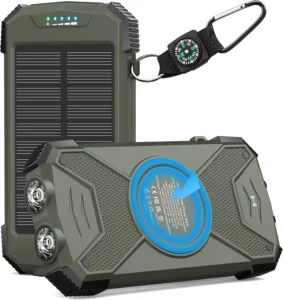
Essential for travel days, adventure days, long flights, hiking, etc. It’s great to have It when you’re out and about and you’re phone is close to dead.
There’s also solar power banks that you can get on Amazon which are awesome if you’re into trekking and all that kind of stuff.
Universal adapter
To be honest, everyone recommends and universal adapter and I find it bulky, annoying and not ideal. I’m adding it to the list because it could genuinely be useful if you move around a lot. I travel super slow, so I have never needed it.
The one time I was in a continent I needed a different adapter, I just bought the one instead of that chunky brick. It’s totally up to your trip. Buy it when you need it, don’t bring it just in case.
Phone shutter remote + mini tripod
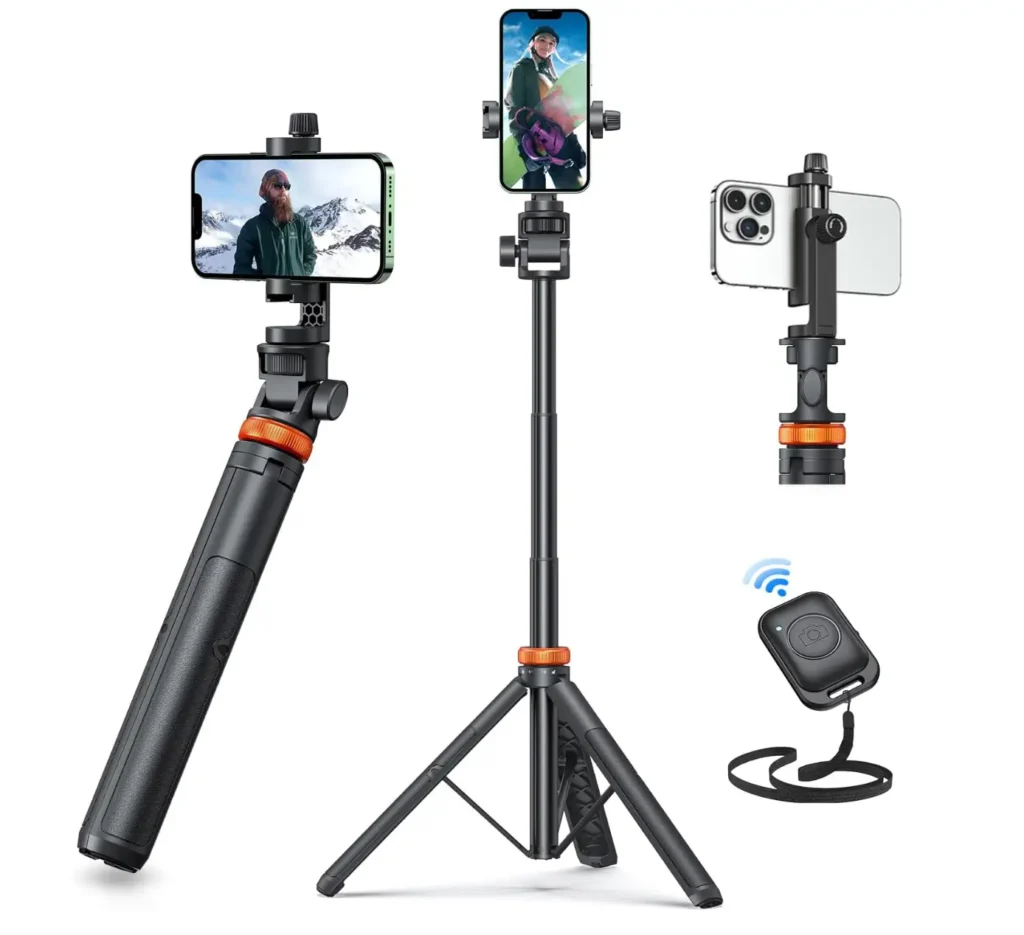
This one is great for solo travelers or content creators. A small bluetooth remote that triggers your phone camera from a distance. Paired with a mini tripod and you can take photos of yourself without having to ask strangers. Tiny, cheap, and useful!
Portable SSD or external hard drive
I backup my computer to an external hard drive religiously. Four years of photos, videos and work files is not something I want to lose to a dead laptop. I got a waterproof, dropprood, dustproof hard drive just to be safe, this is the one I have. If you don’t mind the expense, a shock resistant portable SSD is an even better alternative.
Extension cord
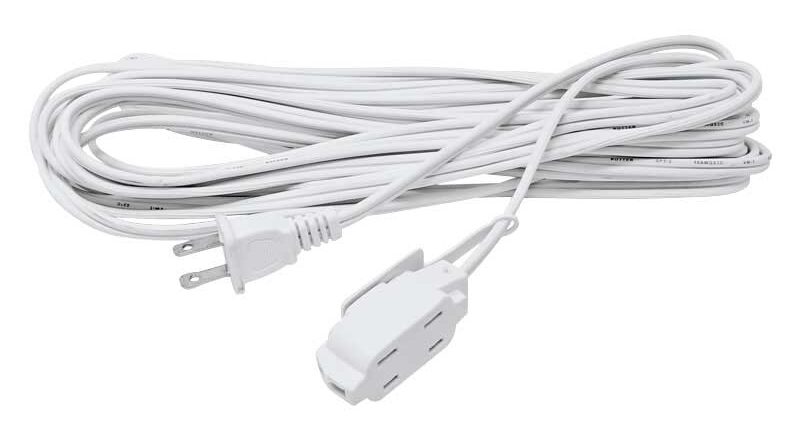
This one is less obvious but I’d argue more useful than most items on this section. Cafés not always have the plug next to a table and it has been sooo convenient to have it. Sometimes even Airbnbs won’t have outlets where you actually need them, so having a basic extension cord has saved my comfort countless times.
Luggage scale
Tiny, cheap, can save you from overweight bag fees. You weigh your bag at the Airbnb, not at the airport counter when it’s too late. Check it out here.
Connectivity
SIM card strategy
Most packing lists for digital nomads will just tel you to get an eSIM and skip the nuance but I’m here to tell you my real experience.
The cheapest option is almost always buying a local SIM card at your destination. You get a local number, solid data, and pay closer-to-local prices. The downside is the inconvenience to save a few bucks.
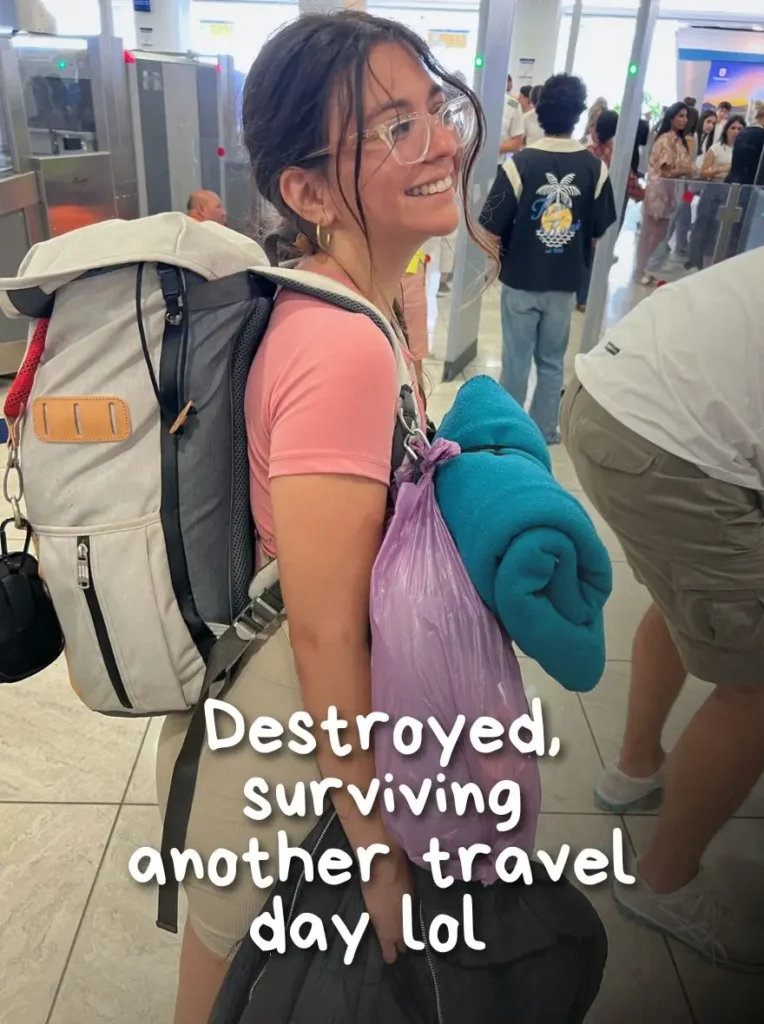
I have done this a million times. Land, figure out the airport’s WiFi to get an Uber, which sometimes is super easy, sometimes it doesn’t work at all, sometimes you get the Uber but you have to walk out and loose connection…
You will manage to hop on your Uber, then arrive to your Airbnb, from there you have to figure out where you can get a SIM card, deal with a potential language barrier, swap the card, etc.
I honestly do this maybe too much. I may save $15-20 in doing so. If I feel comfortable in the country I’m visiting I’ll most likely get the local SIM card anyway because it can be a life saver when I need to use my phone as a hotspot for long working hours.
The most convenient and easy way to go for almost everyone is an eSIM. Services like Airalo let you buy a data plan before you land and activate it digitally. So you save yourself the time and annoyance of hunting for a phone shop, and you have data the moment your plane touches down.
It’s not the cheapest possible but it’s still significantly cheaper than roaming on your home carrier. If I’m not staying long enough to make it worth hunting down a local SIM card I’d 100% go this way. Check out Airalo for one less thing to figure out on your arrival. If you do, use the code DIANA88674 for a $3 discount on your purchase.
PS. Make sure your phone is unlocked. A locked phone won’t accept foreign SIMs or eSIMS from other carriers and finding that out at the airport is not fun.
Bags & Organization
Main luggage
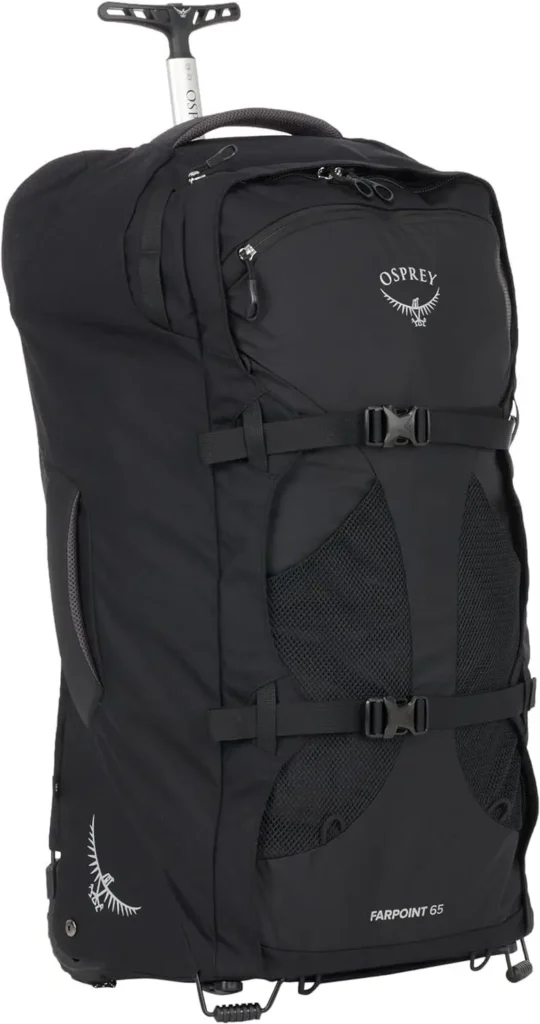
My suitcase is a wheeled Osprey (yes, wheeled). While most travel guides will recommend skipping the wheels I love them and I’m never going back.
What makes this one special is that it has wheels AND backpack straps so you can carry it on your back if needed. But honestly, the wheels are so good I almost never use it as a backpack. I’ve rolled this thing over cobblestone streets, uneven sidewalks, and questionable airport floors (a.k.a Mexico City before the world cup iykyk 😭) Not always the smoothest experience but doable and way better than carrying it on your back everytime.
Suitcase protection
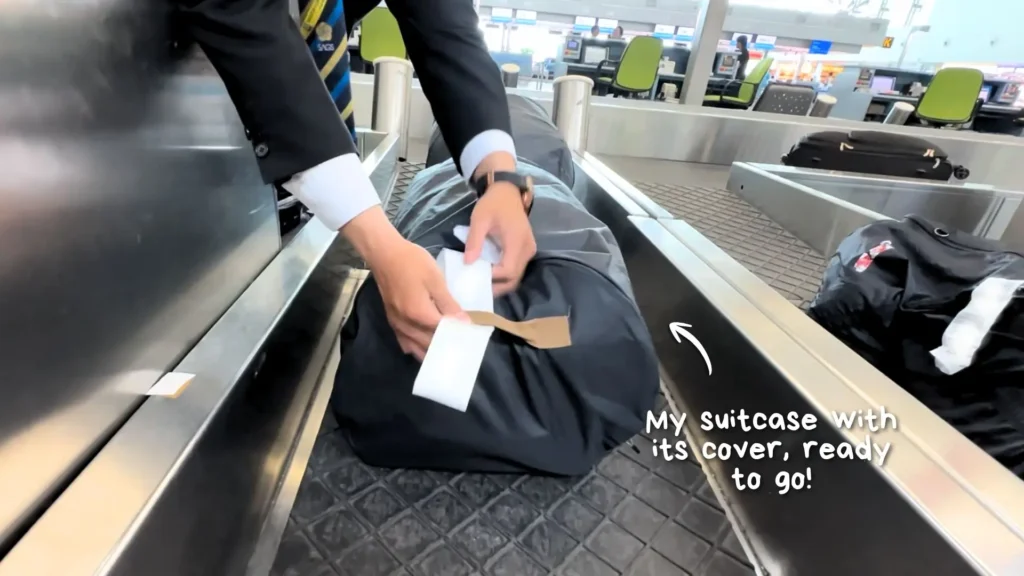
When I started traveling I’d send my suitcase to the airport completely unprotected and it would come back scratched, dented, and stained. My first suitcase was a good brand and it still didn’t survive long. When I had to replace it I spent hours finding the perfect one, took it to the airport unprotected, and watched it get damaged again. Terrible decision that taught me an important lesson.
Here’s my full aiport setup to protect my suitcase from both damage and unwanted openings:
- TSA lock on the suitcase itself. A TSA lock can supposedly only be opened by TSA agents using a master key if they need to check it.
- Suitcase cover with a zipper. I use a Foreclaz cover from Decathlon that compresses down when I’m not using it. It goes over the entire suitcase and protects it from damage and general airport abuse.
- Regular non-TSA lock on the cover. Since the cover is locked with a regular lock, if TSA needs to check my bag they’d have to cut the cover or the lock to get through and then open the TSA lock on the suicase itself underneath. It’s a layered system that protects against accidental damage and theft.
Yes. Bag theft at airports is real. It have met people who had stuff inside their bags stolen after check in, so I wouldn’t call it paranoia.
Backpack
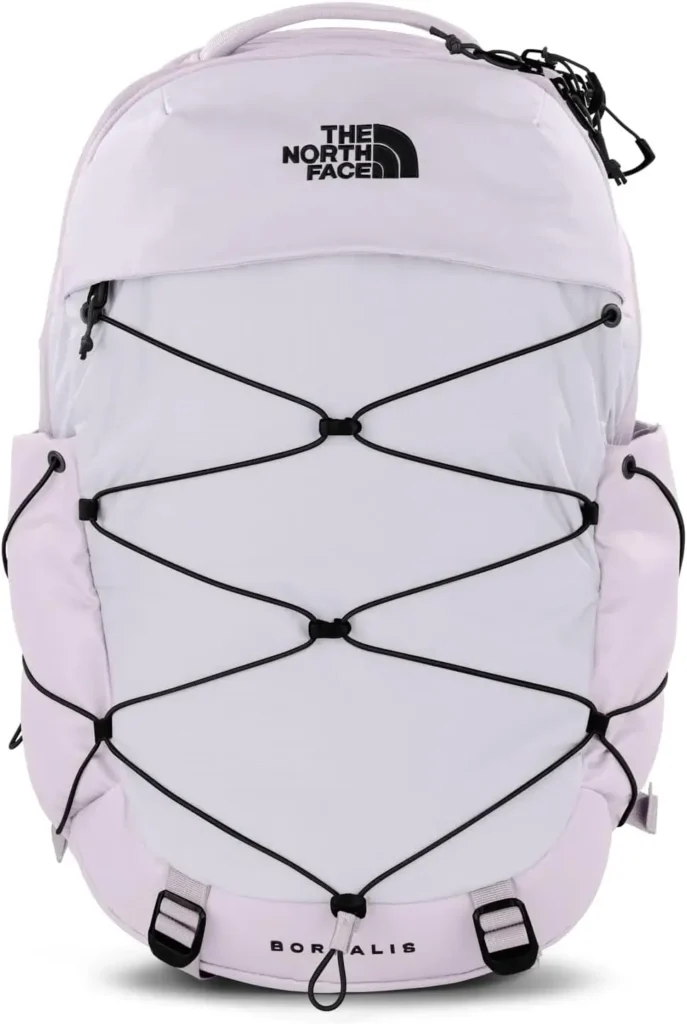
I started using the North Face Borealis this year after trying several over the years. This has been the best one for my back by A LOT. It’s not the biggest bag but still pretty decent size (27L), and the support is excellent for days when you’re walking a lot with a heavy load. Don’t let your nomadic life ruin your back for when you’re old. Always prioritize good back support. P.S. This backpack comes in one million different color options.
Packing Cubes
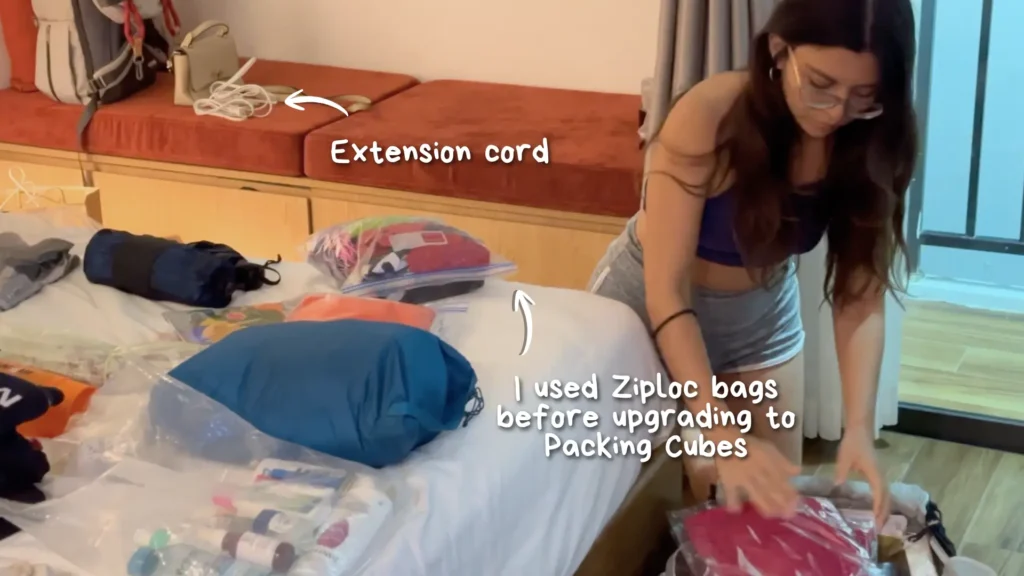
If you’re not using packing cubes you may be making your life harded than it needs to be. I use compressing packing cubes and they’ve completely changed how I pack now.
They don’t necessarily make “more space” but they keep everything organized in a way that makes packing way easier.
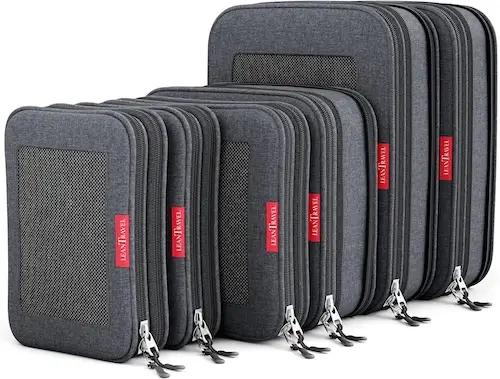
Now everything stays in its cube while I’m at my destination. When it’s time to leave I just throw the cubes back in the suitcase.
These are the exact same ones I have – I bought the whole kit and shared them with my boyfriend. I really recommend not getting the cheapest ones from Amazon, I have tried them and they don’t last very long. These are decent priced and super sturdy.
Toiletries bag
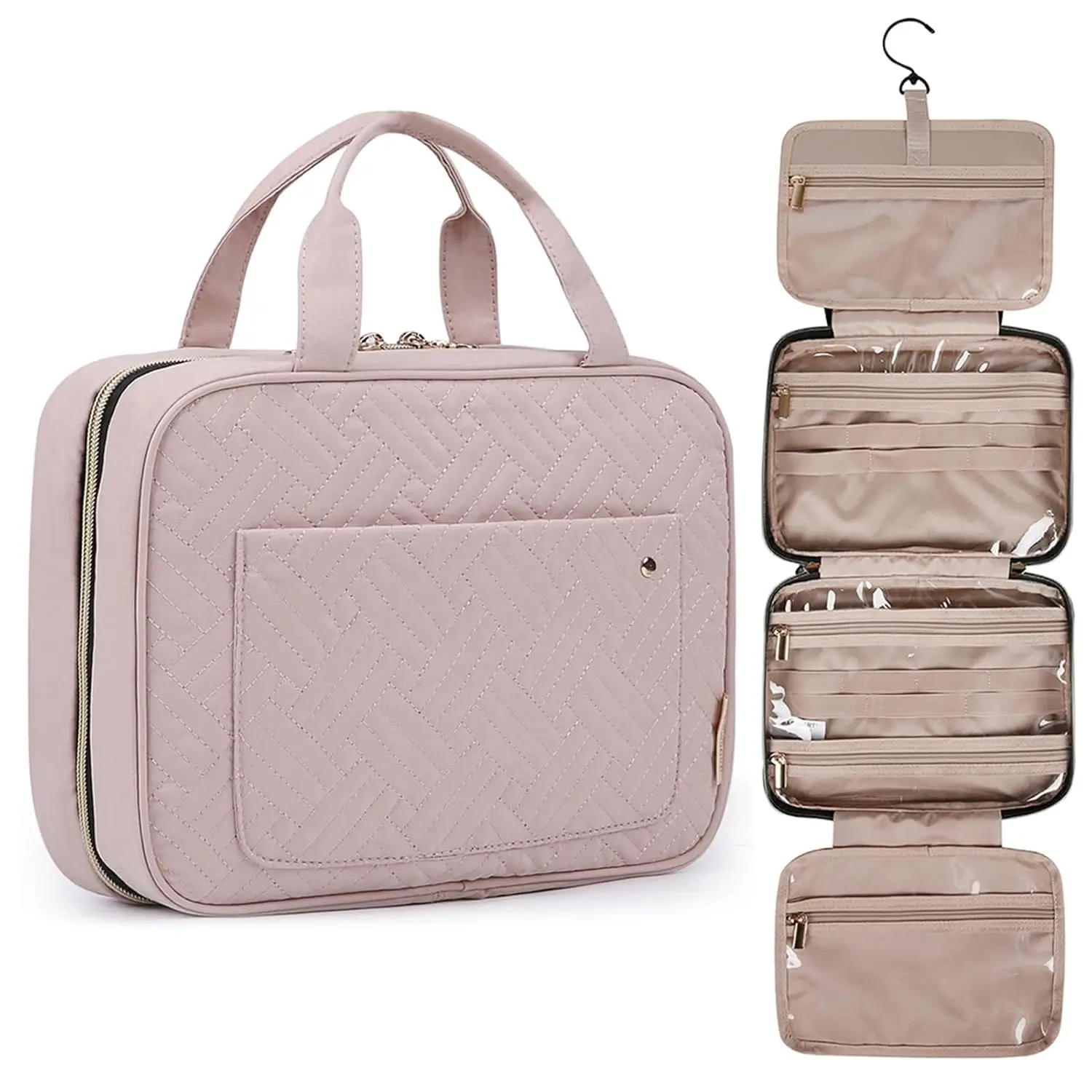
I used simple ziploc bags for an embarrassingly long time before upgrading to an actual toiletries bag.
Mine fits all my skincare, makeup and basics without everything becoming a chaotic pile. I think it’s not too big, not too small and it has a little hook so I can just put it almost anywhere. Super useful when the bathrooms don’t have enough space.
P.S. I also switched to solid shampoo and conditioner and I don’t know why I didn’t do this before. It lasts longer and you’re litteraly saving so much space.
Money belt
One more from the list of “everyone recommedns this and I have never used one”. They’re not comfy, obvious, and personally I’ve never felt the need. Maybe I’m just too Latin American for a money belt lol. If I’m in a crowded area I just keep my day bag infront of me instead of on my back. Or you can lock the zippers. Keep a bill in your sock if you feel you’re in a sketchy area. That said, if it gives you piece of mind, go for it!
Dry bag
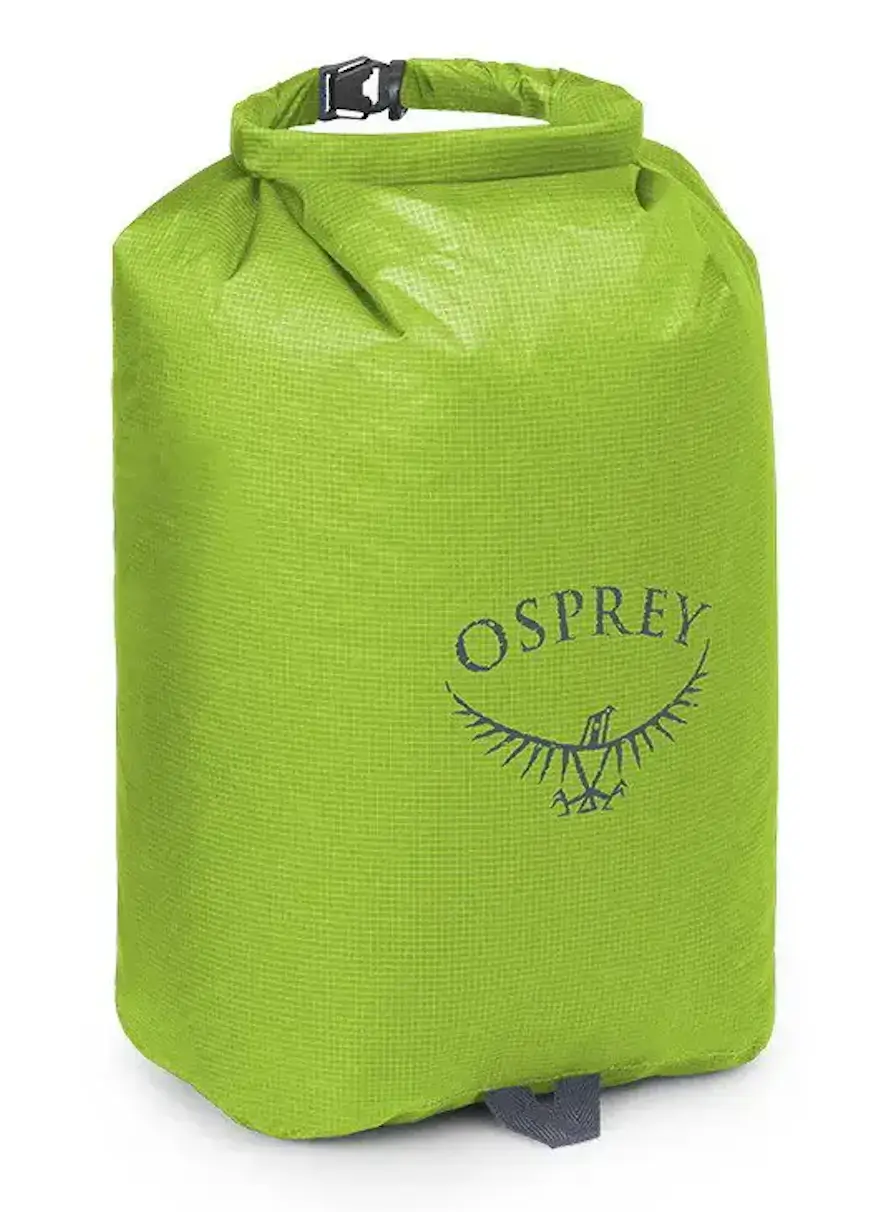
Essential if you’re doing any water activities or just traveling in rainy season. I use mine constantly in boat tours, beach days, even songkran (Thai new year celebrated with a national water fight lol). Get one with a funky color! It would be easier to find in the water if you drop it.
Carabiners
Underrated and endlessly useful. I use mine to hang my backpack from a tree or branch when I don’t want it on muddy ground during hikes. I also clip my watter bottle, hat, or jacket to the outside of my bag when I’m out of space. Some people clip their hiking boots. Tiny, weightless, and I always have one.
Clothing
The golden rule for clothing as a nomad is already in the intro but it’s worth repeating: layers for the cold and small combinable pieces for the heat.
Don’t pack outfits, pack pieces that work together in multiple combinations, and don’t pack for every possible scenario, pack for where you know you’re going and buy what you need if something unexpected comes up.
Layering for Cold Weather
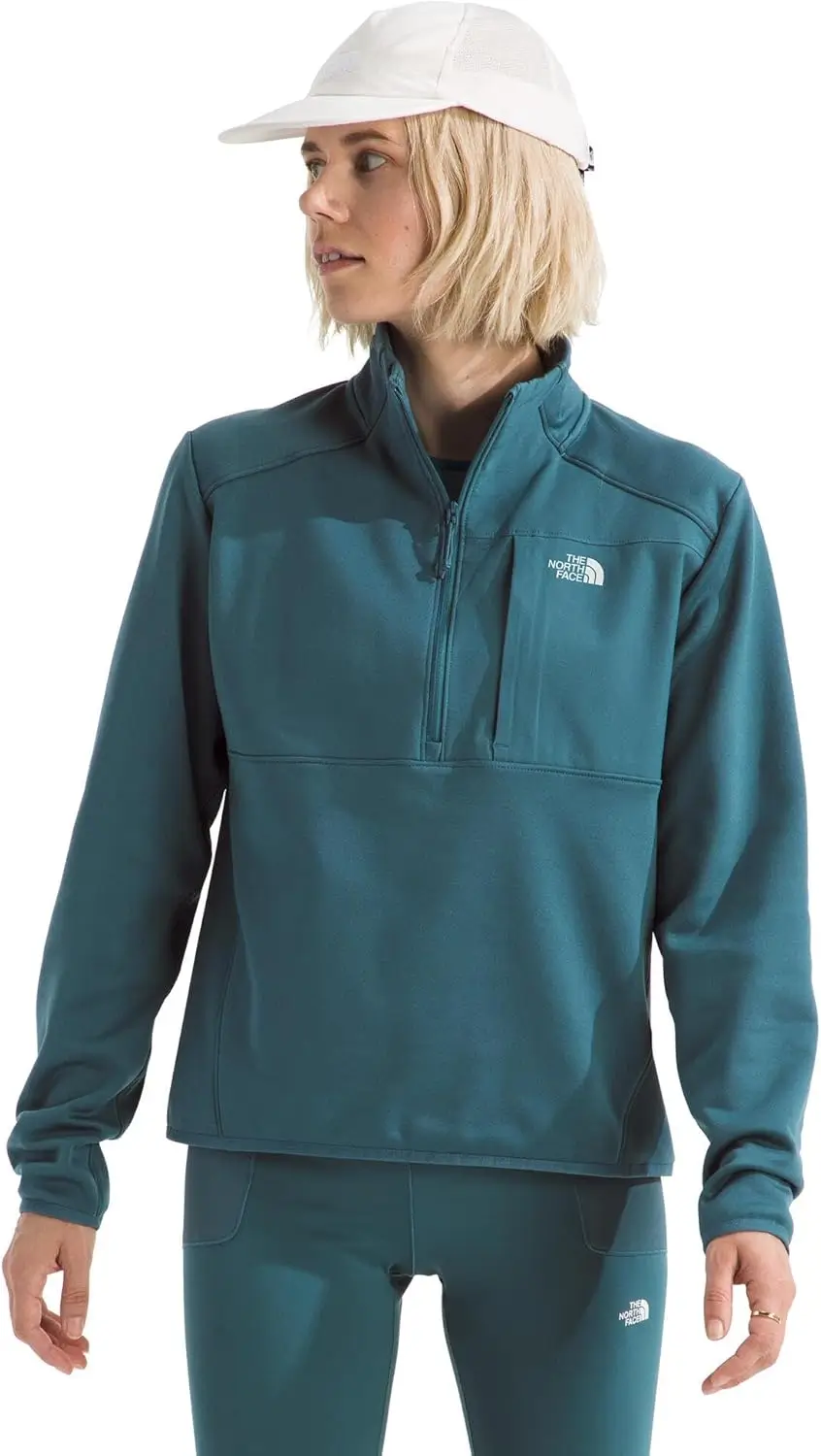
I’m from Cancun. I don’t like the cold. But slow travel takes you places so my system has three layers that works for most situations short of actual extreme cold.
- Thermal base (top and bottom): Mine is a ski thermal that I wear for everything cold-related despite never having skied in my life lol. It’s breathable and it keeps you warm without making you sweat. I wear this under everything.
- Fleece or Polar: I have this North Face fleece that I layer over the thermal. This alone is enough for most cold weather situations (like cities, mild hikes, chilly evenings)
- Rain jacket / wind breaker: I have this Columbia Omni-heat jacket that goes on top for really cold days, wind, and rain. It’s also a windbreaker which makes a significant difference at altitude. For truly extreme cold you’d want an insulated jacket on top of the fleece, but for most nomad situations this three layer system covers you.
P.s. Thermal pants go under regular pants on the coldest days.
Shoes
One of the areas most people overpack and I’m not sure If I’m the exception but here we go.
- Sneakers: Your everyday shoes. One pair. Make them versatile enough to go from walking around a city to a casual dinner.
- Hiking boots: non-negotiable if you’re hiking. Don’t do altitude hikes, volcano trails or muli-days in sneakers.
- Sandals: For warm destination and general hot weather life.
- Shower shoes / flip flops: for showers, beach days, pool areas.
- Comfy socks: underrated. Invest in good quality socks especially if you’re hiking. Blisters from bad socks are a realt thing and can ruin your trip more than bad weather ever has.
Bags for day to day
Tote bag: it’s perfect for light days, grocery shopping, beach days, or any outing where a backpack is overkill. Takes up zero space in your suitcase.
Day bag: I got this specifically for adventure days when I want to bring my camera, but don’t want to brig my main backpack. At first I wasn’t sure if carrying to backpacks made sense, now I’m glad I have it. I even used it to hike Acatenango (I hired a porter for the heavy stuff), since I just needed my day essentials with me. Lightweight, takes very little space when packed, fits a DSLR, perfect for hikes. To me, it’s been more comfortable than an actual camera bag.
The girlie list
This section exsist because most packing lists are written as if half the population doesn’t menstruate.
Menstrual cup or disk
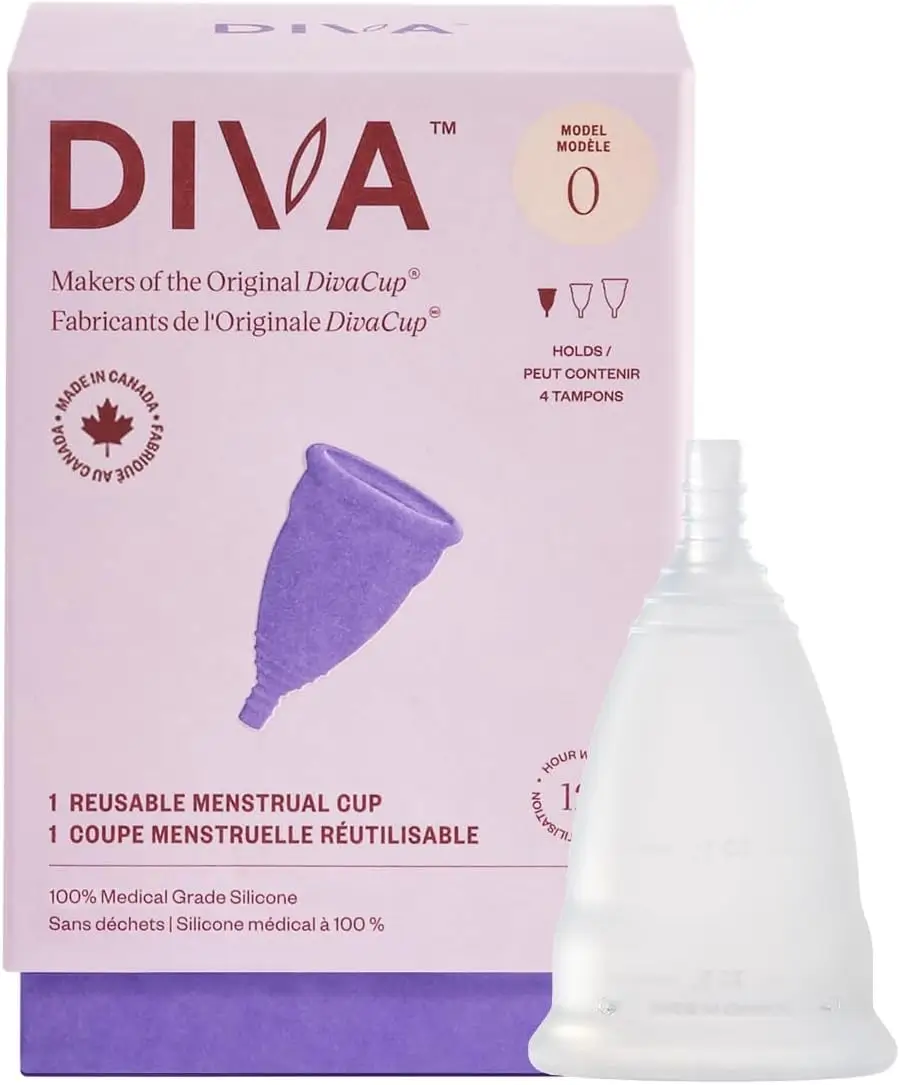
The menstrual cup totally changed my relationship with my period.
Part of my switch came from convenience and sustainability many years ago, but also I recently heard about this study where they found detectable concentrations of toxic metals in tampos accross several brands, including the one I traveled with “just in case”. That was it for me. To give you the full nuance the FDA launched its own lab study and they did not identify safety concerns since “it’s unknown whether metals leach out of tampons into the body”. I mean… it was enough for me to stop using tampons all together and i haven’t looked back.
For travel specifically, the cup has been awesome. You can wear if for 8-12 hours which means you can even get on a long flight without worrying about it.
Sterilizing your menstrual cup when traveling: You should boil it for 2-3 minutes, once when your period start, and once when it’s over. No need to between every use. To avoid using the airbnb’s kitchen pot, you can have a dedicated collapsible silicone sterilizer container that’s microwave safe.
When boiling isn’t possible you can use sterilizing tablets (the same ones used for baby bottles) dissolve in water and sanitize your cup in 15-30 mins. Easy to pack!
Period Underwear
On heavy flow days, especially adventure days when I’m in the middle of a national park or hiking with no bathroom in sight, my period underwear + cup set up has saved me several times. The underwear is more an extra layer of protection when I can’t change my cup it it fills too quick.
It may sound like overkill until you’re three hours into a hike and sooo glad you have it.
Portable Door Lock
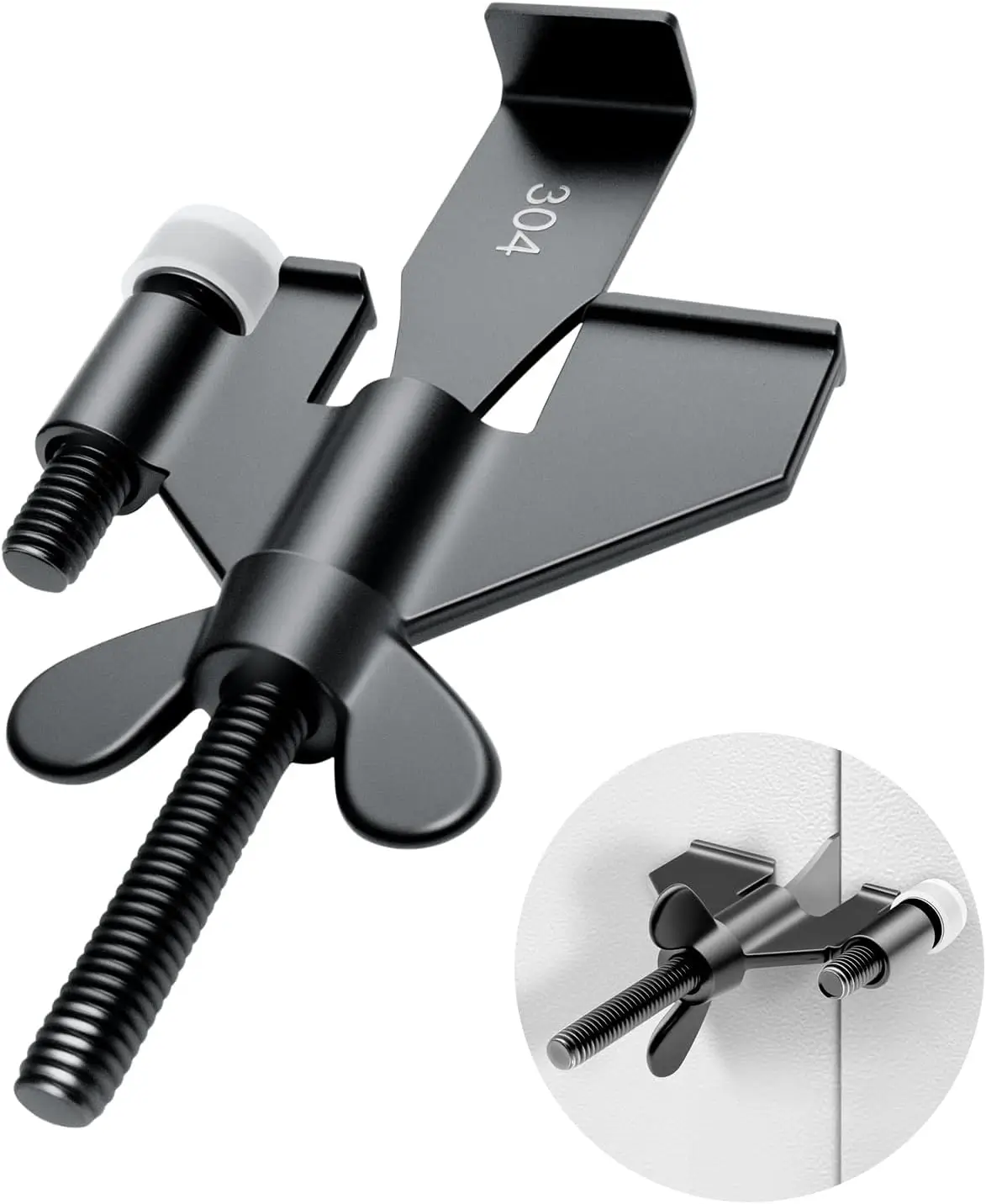
I think it’s never a bad idea to be a bit exaggerated with security and bring one portable door lock with you. It takes up no space and provides additional security. I’m terrified to think that someone could easily rent the room before me and make a copy of the key. With this, you make sure that even with the key, they can’t enter your room. This is especially important if you’re a woman traveling alone.
Skincare
When I first left home I simplified my skincare routine down to almost nothing, initially, I figured it wasn’t worth the space or weight. Then I realized that traveling is my life now, not a two week vacation. So I made a decision: I travel with everything I need for my skin, whether I’m gone for two weeks or two years.
It took some trial and error to figure out what works for my nomad life. Here’s my set up. Everything I use is vegan which matters to me and sometimes makes finding replacements on the road trickier than it sounds.
Cleansing
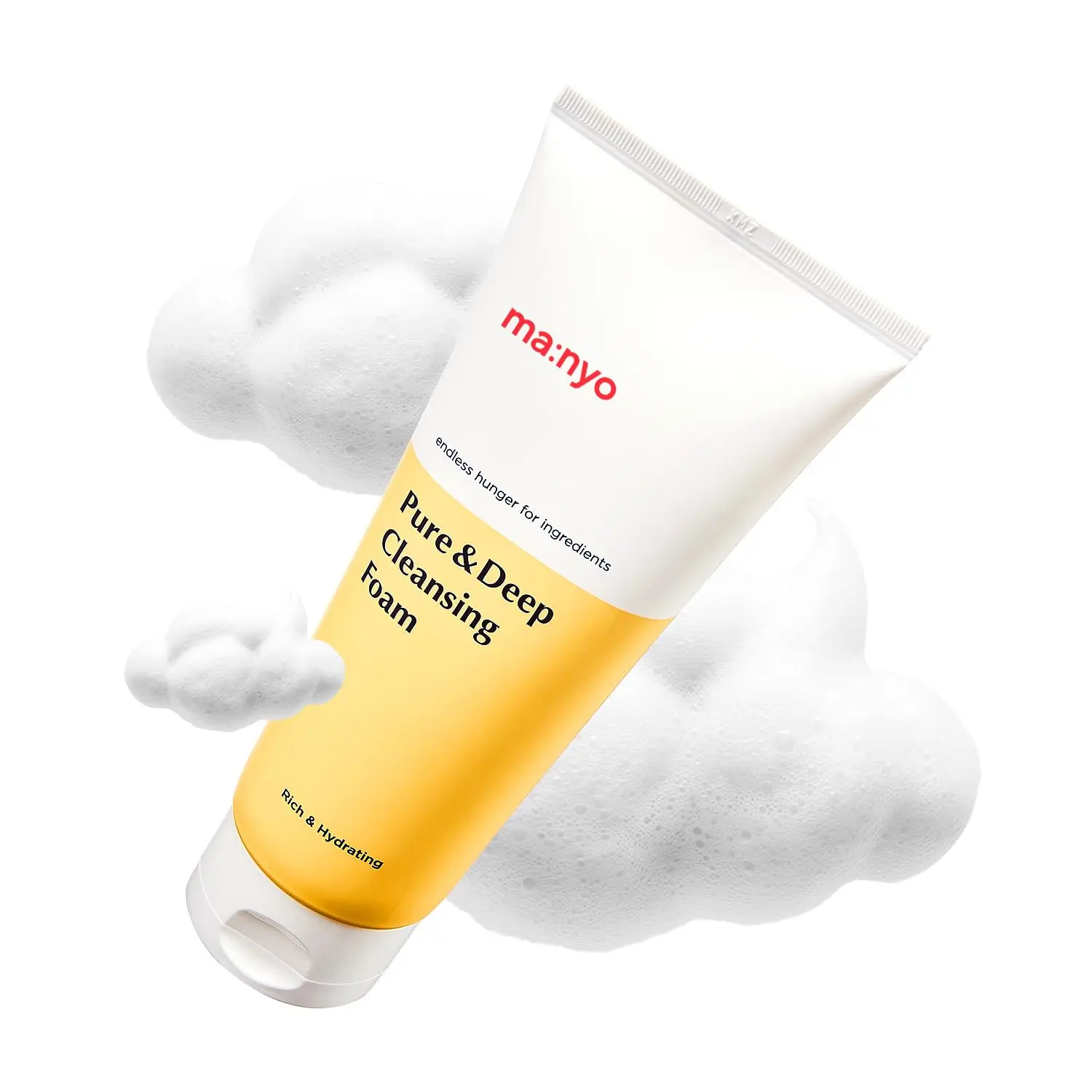
ma:nyo Pure & Deep Cleanser – My real deep clean. I travel with this one full size because I love this so much, and rather carrying the whole thing that using something different.
Garnier Vit C Miscellar Water – I often just buy this at my destination since it’s bulky and widely available. Great for days I just need a refresh or I’m not wearing makeup.
Moisturinzing & Serums
The Ordinary Moisturizer with Hyaluronic Acid – I travel with this one full size too. It just works in any climate, vegan, great and affordable. Hard to beat.
Good Molecules or The Ordinary Niacinamide – Depending on what I can find. Both are vegan and both work great.
TOCOBO Sunscreen – The bar one went viral online but I actually like the liquid one better. I love this sunscreen, it’s super light.
Hair
Solid shampoo and conditioner – The single best switch I made for travel. No leaking, no big bottles, lasts much longer, takes no space. I bought one at home, then I replenish with whatever I can find when traveling.
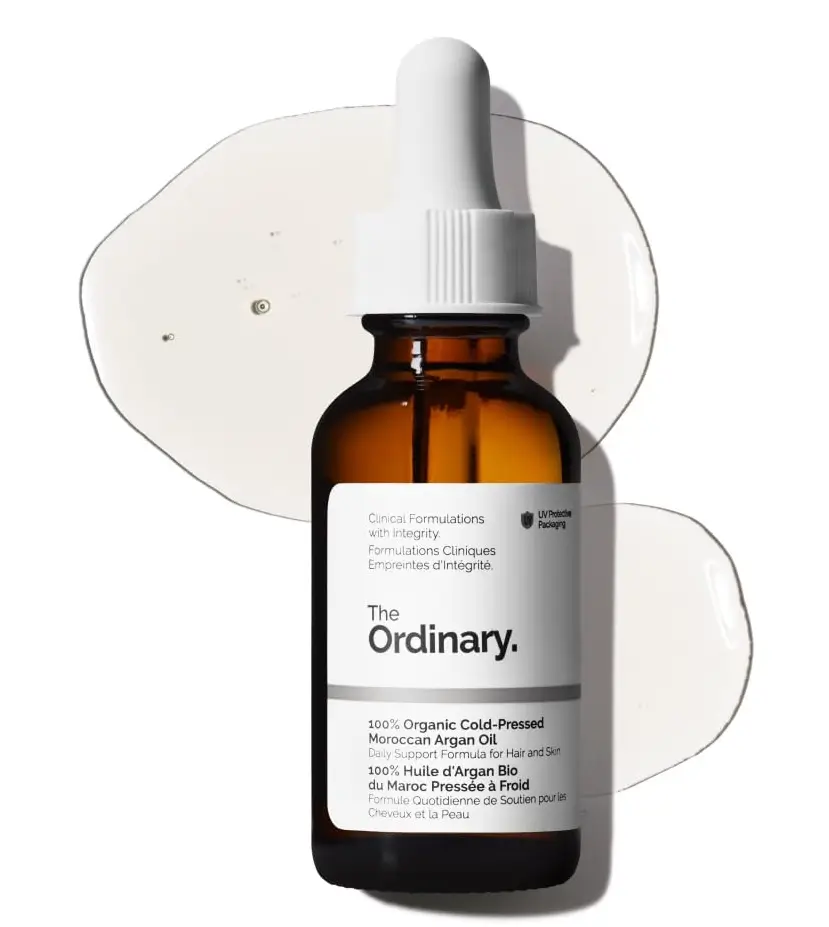
Argan oil – for dry hair which to me happens a lot when moving between climantes. A few drops go a long way. I haven’t had the need to replenish in over a year now lol.
Others
Frownies / Scar tape – so these are basically adhesive patches I sometimes wear on my forehead while sleeping to prevent frowning and reduce expression lines over time lol. This is my approach to not wanting to do botox.
Do I look ridiculous? Absolutely. They do work though. Scar tape is a more affordable alternative and I travel with both so sometimes I wear the frownies and sometimes I wear the scar tape to make both last longer.
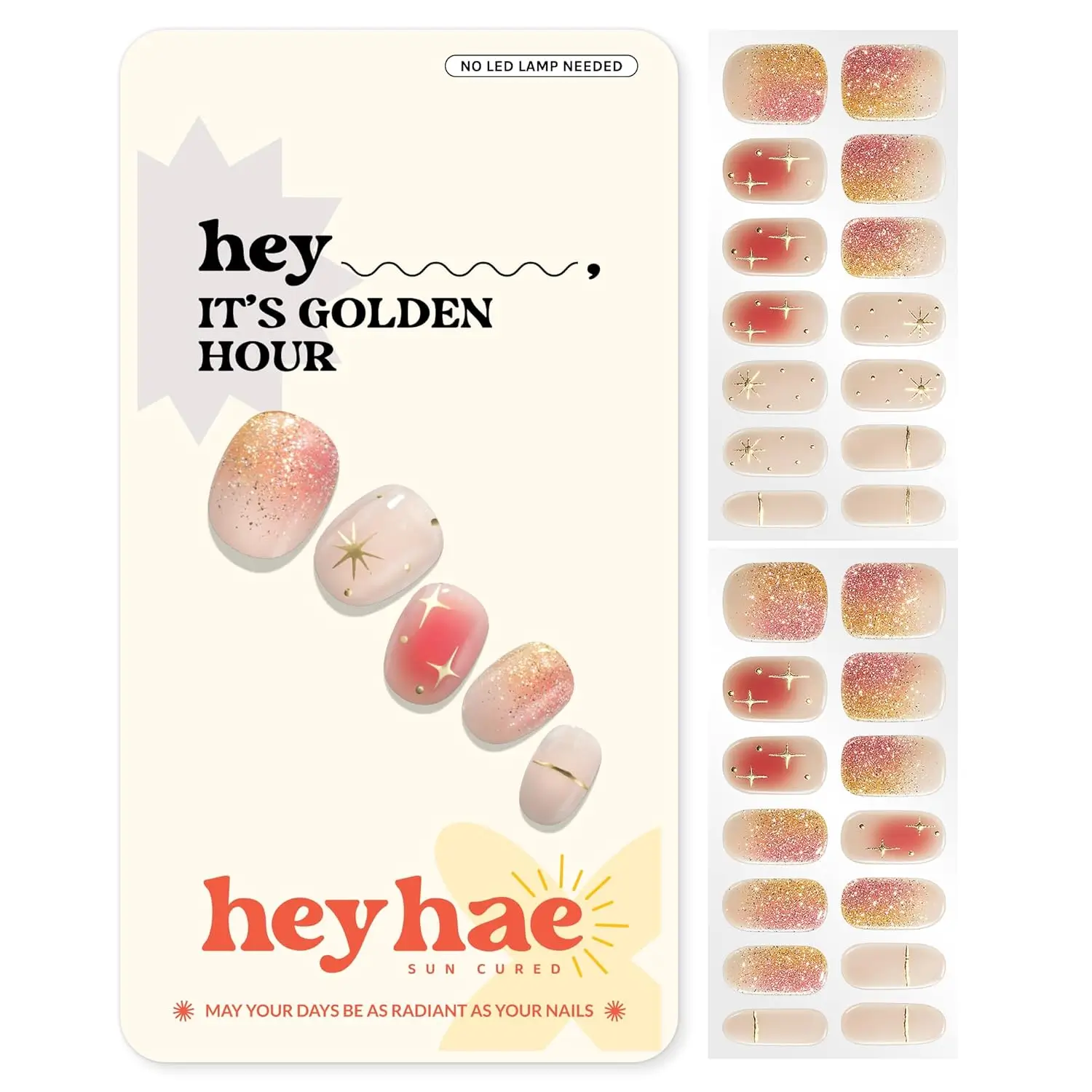
Pre-curated nail gel – Ok this one is a non-essential but I like sometimes having my nails done, and I don’t always want to be going to a nail salon when traveling. So I use these pretty often. They last as long as salon nails, they come in a million different styles, and you can cure them with THE SUN. YEP. They take zero space. I wear the HeyHae brand.
My approach to running out
Since I actually care about the specific products I buy and sometimes finding replacements on the road is genuinely harder (not impossible and actually sometimes better), I started just bringing enough of my essentials and as soon as I’m in a big city I replenish. Everything goes in my checked bag so I don’t have to worry about size, but most are max 100ml anyway.
I literally went from traveling with a ziploc bag containing soap and shampoo to this full setup.
Health, Wellness and Fitness
Medicine
It’s likely that in most countries, you’ll find the medications you need. But if you require something that’s not over-the-counter, it can be a problem. If that’s your case, talk to your doctor and consider the possibility of stocking up as much as possible.
However, don’t forget to check the laws of each country for importing medications.
It can also be challenging to try to buy medicines in a country where you don’t know the language, even if they are over-the-counter. Although everything can be translated, you might feel more secure buying the ones you know from home.
My basic kit I travel with in case I get sick
- Tylenol (Paracetamol or Acetaminophen)
- Ibuprofen
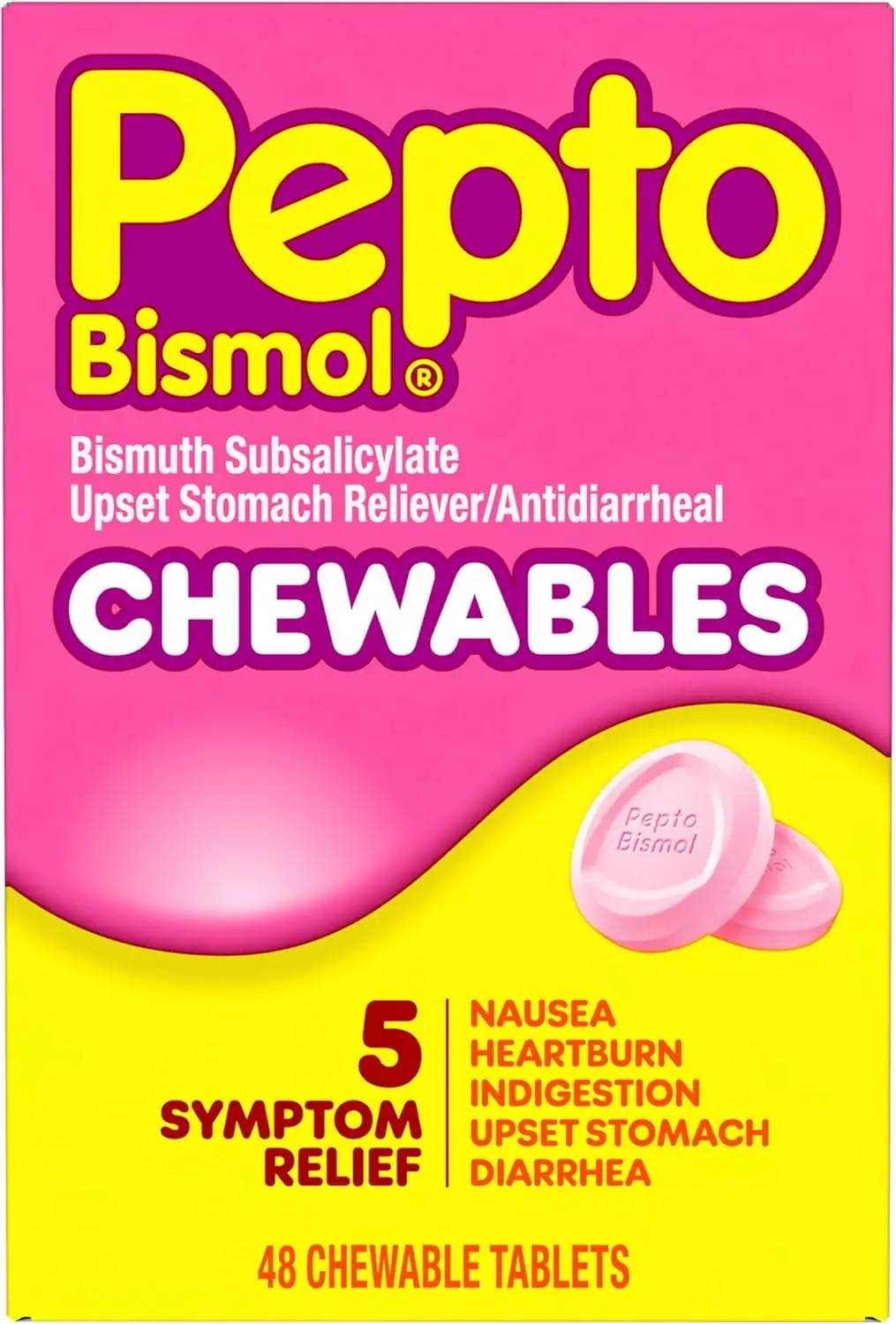
- Pepto Bismol (Chewable Tablets for Nausea, Heartburn, Indigestion, Upset Stomach, etc –this specific brand is not available worldwide, and having it in my suitcase has been incredibly helpful specially in South East Asia – I carry the tablet version)
- Waterproof band-aids in all shapes and sizes
- Antihistamines (Loratadine or Cetirizine)
- Antiseptic (to disinfect wounds and prevent infection)
- Probiotics
- Electrolytes
I’ve definitely had to restock on the way, but having them around at the moment I need them has been much better than dealing with a fever and having to go to the pharmacy, try to communicate, understand what they’re saying, see if they specifically have the brand I want, research the generic, translate it, make sure it’s the right medicine, etc…
Vitamins & Supplements
I don’t eat meat, and eating a fully plant-based diet while traveling is absolutely doable but supplementing makes it easier. There are nutrients that can be hard to get enough of if you’re not cooking everday. Especially when you’re moving between countries with different food cultures.
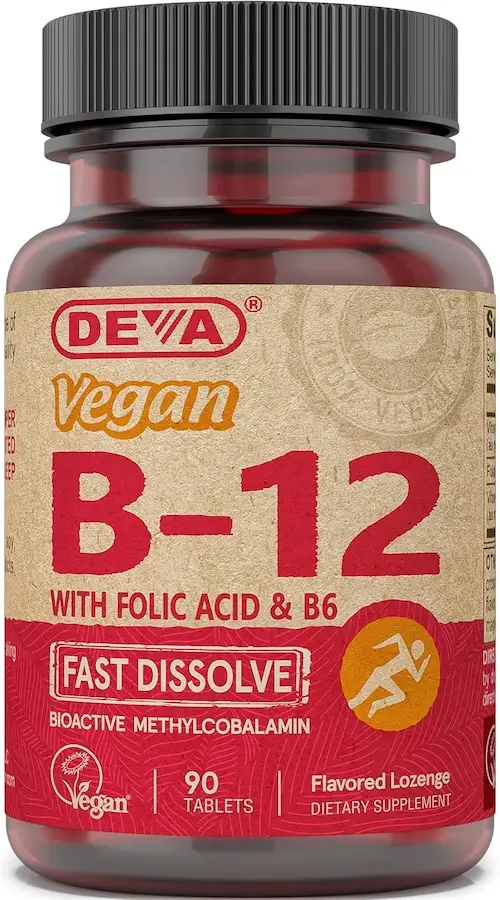
What I travel with
- B12: the most important supplement (and really the only one 100% necessary) for anyone on a plant-based diet, so I always make sure to have an abundance of this.
- Vitamin D: this is important if you’re spending a lot of time in cloudy climates or even just indoors at coworking spaces.
- Omega 3 (algae based): most Omega 3 supplements are fish-based so finding vegan ones can be tricky so I travel with my fav from home. This is optional since you can get enough Omega 3 by eating enough chia and flax seeds everyday. Sometimes I don’t, and those are the days I take the supplement.
Protein Powder
This one I have traveled with even before going vegan. It literally makes life easier when you’re not wanting to spend a full morning cooking breakfast and don’t want to eat out. Also, while there are many plant-based foods with plenty of protein like tvp, tempeh or tofu, they’re not always so easy to find in all countries. So this fills in that gap for me.
I throw my protein powder into a ziploc bag and YES I have traveled with it like this through several airports. I just make sure to have it in my carry on bag, so they can check it if needed. It’s happened only twice in my 4 years on the road.
When I go home I replenish with my favorite one (Habits or Birdman) but if I can’t, I just replenish on the road and make sure to stock up before heading somewhere remote.
Resistance Bands
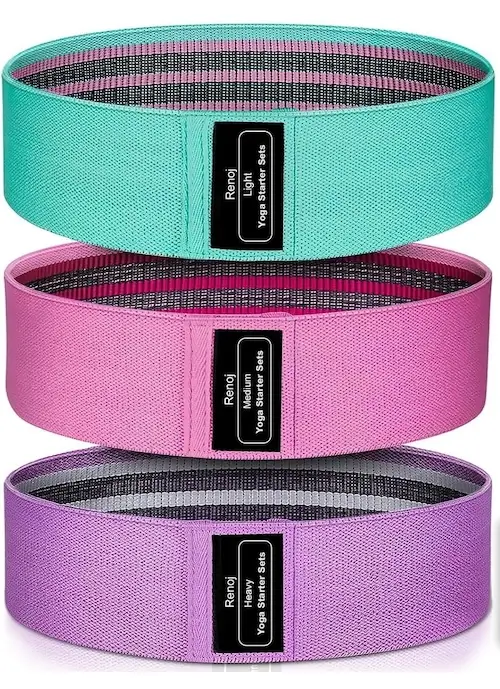
I try to join a gym as soon as I settle into a new city, but it’s not always possible so I travel with a resistance band for leg workouts. They weigh almost nothing, take up very little space, and give a solid lower body workout from any hotel room, airbnb or hostel common area lol. I do just travel with one, and left the other two behind. Hopefully by the time I come back home to visit, I can level up!
My slow travel extras
This is the section where I loose credibility with all minimalist packers and gain it with everyone else. These are the things that don’t appear on any standard packing list. Some I still use, some I retired, all of them made sense at the time.
Massage Tools
Lol I know. But think about it: airport days, long bus rides, hikking days, hours sitting at a café. Travel can be brutal on your body. Now my boyfriend travels with a small soft ball that we use to massage our backs, but we have traveled with a plastic back masager or even a massage gun (sponsored – this is the same brand I used). We had to leave it behind to fit the hikking boots but I do miss it. The ball is great if you don’t have the space.
Pop Up Sponges
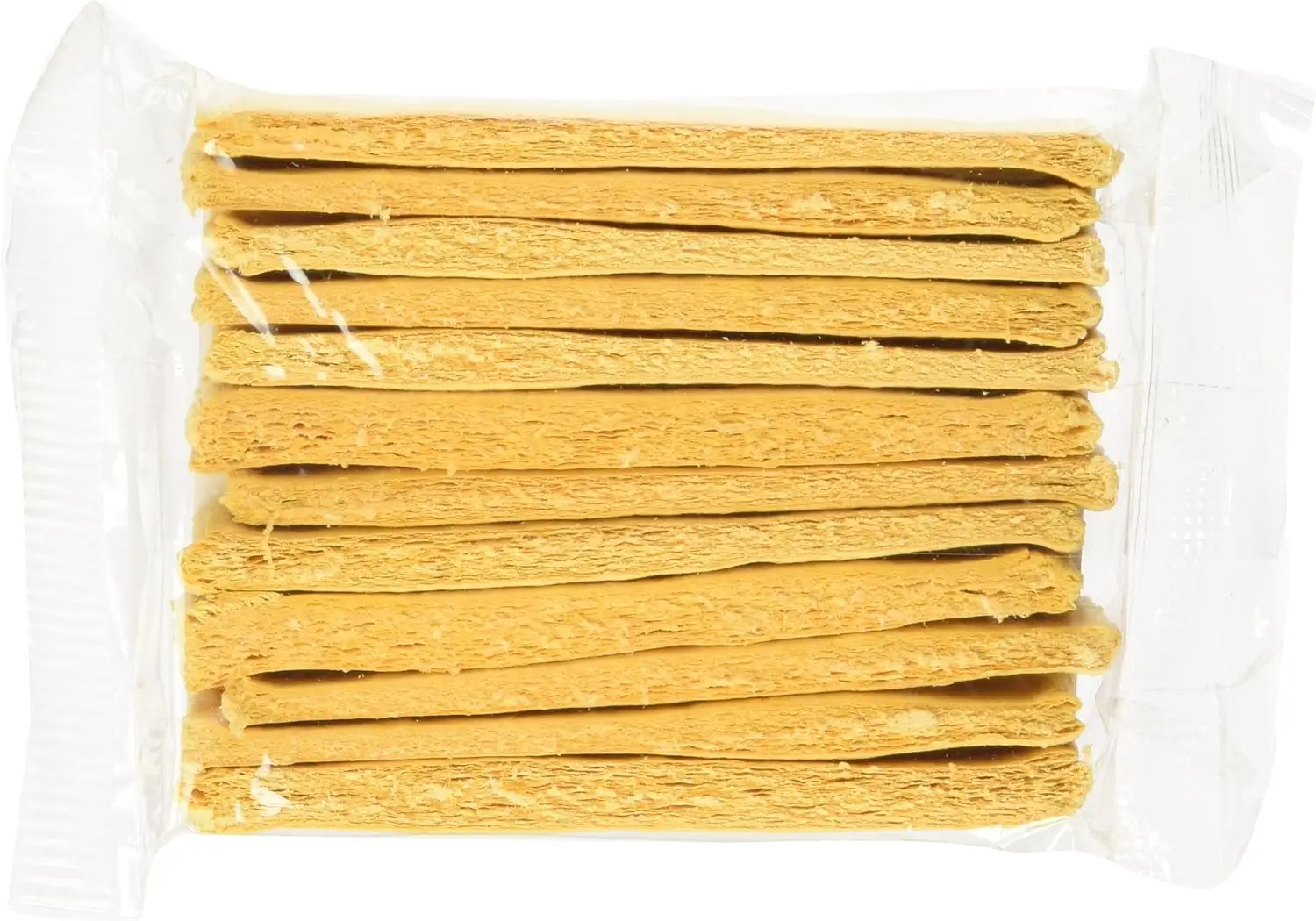
Okay hear me out. These are small compressed sponges. They’re made of vegetal cellulose so no micro plastics. You buy them dry, they expand when they hit water. I travel with them because I cannot bring myself to use the sponge that’s been sitting in an Airbnb kitchen since like 2019. They’re eco-friendly too. Is this quirky? I don’t think so. A little crunchy, yes. Do I regret it? No.
Favorite Spices
This one I still do. Airbnbs come with salt and pepper if you’re lucky. I often just buy something and then don’t finish it on time so end up traveling with it. Sorry but I may never stop, I refuse to keep buying good spices and just leaving them behind every time.
Bullet Blender
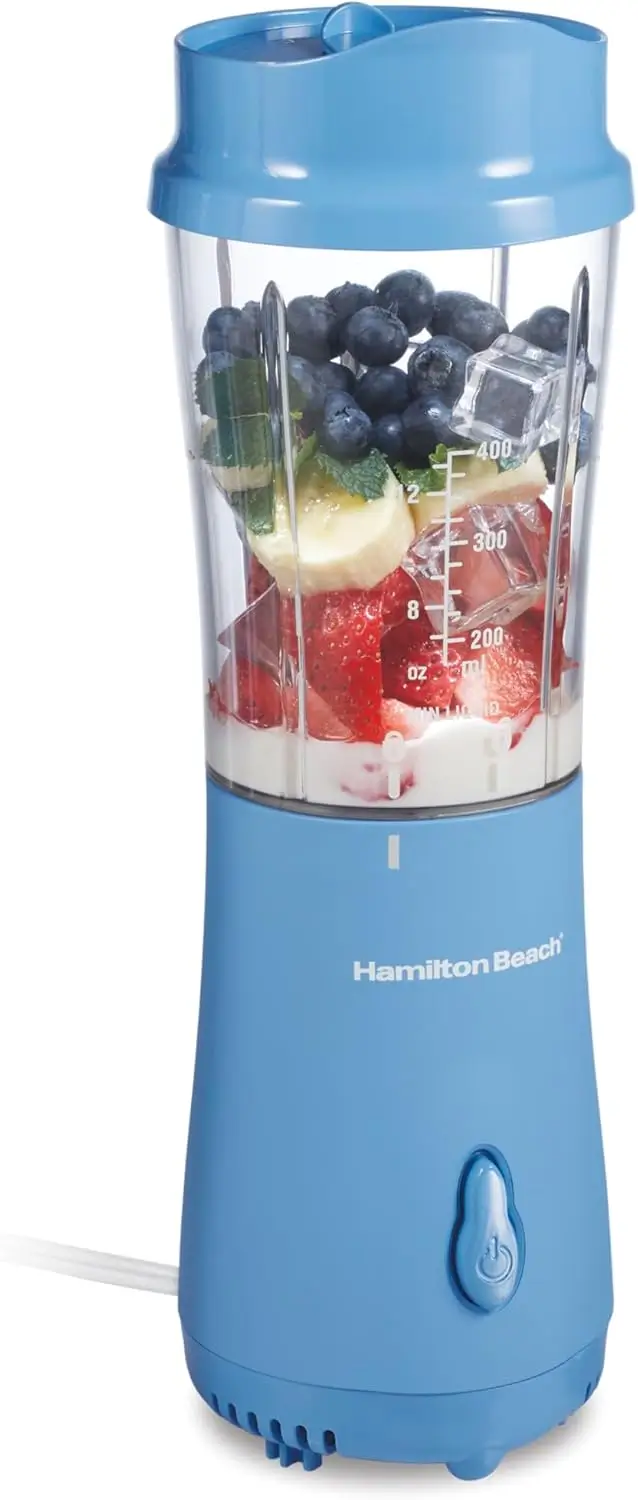
Yes. I traveled with a blender. Honestly my boyfriend and I did, so I carried one piece, he carried the other. As I said, I’m Mexican, I need my salsas. I also need my protein shakes. So at the time I was in places where blenders were not a thing, so it made sense.
Slippers
I travel with slippers and I will not be taking questions lol. They make walking around the apartment much comfortable since my bf and I dislike bringing outdoors shoes indoors.
Final thoughts
So this was my packing list for digital nomads. If there’s something four years of nomad life has taught me about packing is that the list evolves, and there’s no one-list-fits-all. What I travel with today looks nothing like what I packed when I first left. And what I pack two years from now will probably look different again.
The goal is never to have the perfect list.
Start with the non-negotiables, add what makes your days better, and ruthlessly cut what you’re carrying out of guild or “just in case” anxiety. Your bag should feel like a home, not a punishment.
And if you end up traveling with a blender at some point – I get it.
Safe (and light) travels!